
GUIDES
Researched guides to perfume, essential oils and home fragrance: what the evidence says, and how to use it well.
Perfume
How fine fragrance is made, worn and kept.
 Perfume ·
Fragrance Notes Explained: Top, Heart and Base Notes
Perfumes change on your skin over hours because their ingredients evaporate at different speeds. How the fragrance pyramid works, how to read it, and how to test a perfume properly.
READ MORE Perfume ·
Does Perfume Expire? Shelf Life, Signs It's Gone Off and How to Store It
Perfume doesn't come with a use-by date, but light, heat and oxygen do change it. How long fragrance lasts, how to tell if it's turned, and the storage habits that keep it beautiful for years.
READ MORE Perfume ·
Sandalwood in Perfume: Indian, Australian and Synthetic Sandalwood Explained
Sandalwood is the creamy backbone of perfumery and sacred across Asia. The species compared, what santalols are, what happened to Mysore sandalwood, and why plantation and synthetic sandalwood matter.
READ MORE Perfume ·
Parfum vs Eau de Parfum vs Eau de Toilette: Concentrations Explained
Parfum, EDP, EDT and cologne describe how concentrated a fragrance is, but the labels aren't legally defined and concentration isn't the whole story. What each means and how to choose.
READ MORE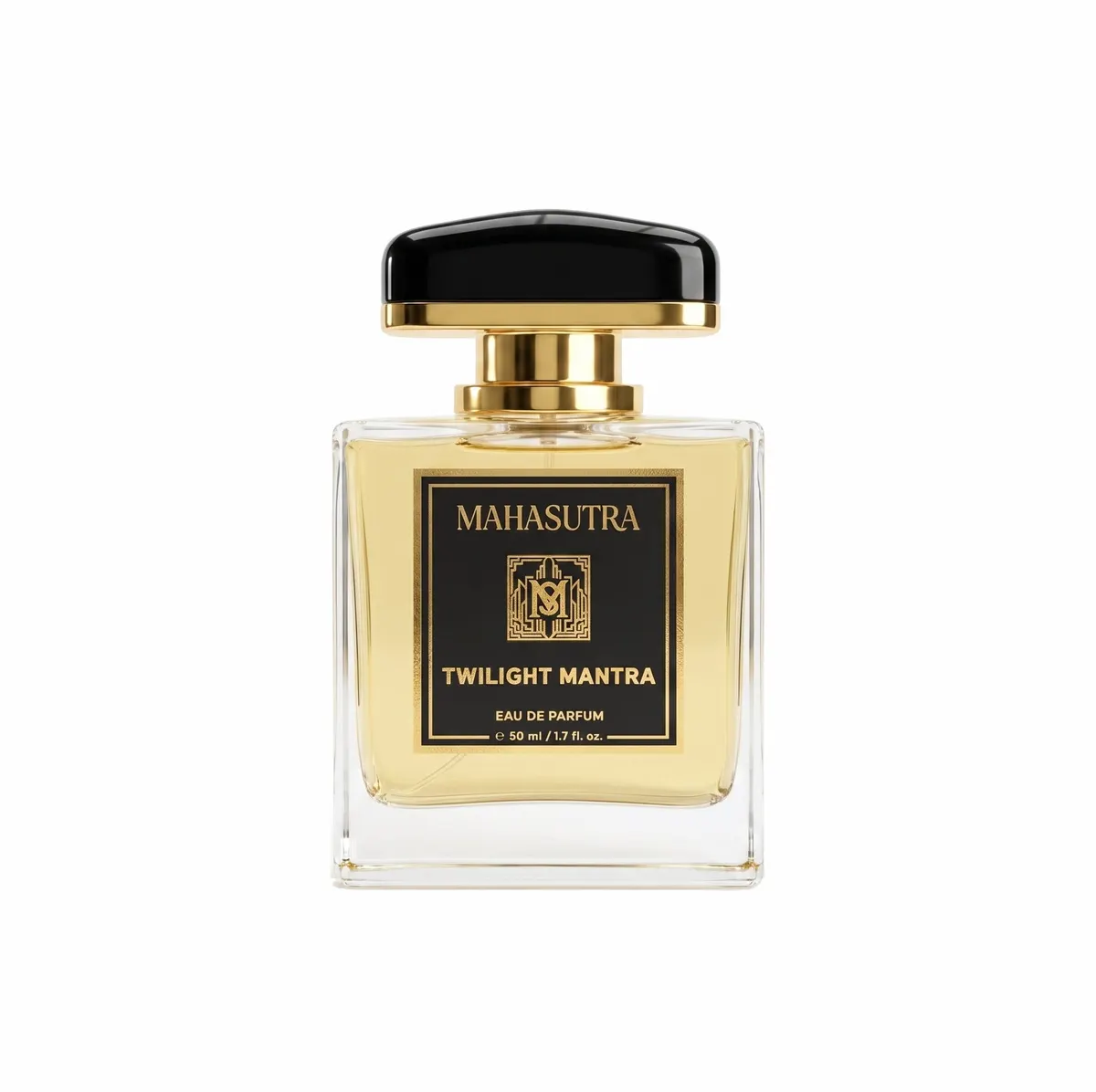 Perfume ·
Perfume Oil vs Perfume Spray: Which Lasts Longer and Which to Choose
Attars and perfume oils were worn for centuries before alcohol sprays. The same scent behaves differently in each: oils stay close and last, sprays project and sparkle. How to choose, and how to wear both.
READ MORE- Perfume ·
What Is Oud? Agarwood, How It Forms and Why It Costs So Much
Oud forms only when an Aquilaria tree is wounded and infected, which is why it is so rare. What real oud smells like, why it's so valuable, how CITES protects it, and how accords differ from the real thing.
READ MORE  Perfume ·
How to Make Perfume Last Longer in a Humid Climate
Most perfume-longevity advice is written for cool, dry weather. In the tropics the physics are different, heat drives scent off the skin faster, humidity changes how it projects, and the standard tips need adjusting. Here’s what actually holds in Southeast Asian heat.
READ MORE
Essential oils
Single oils, what the evidence says, and how to use them safely.
 Essential oils ·
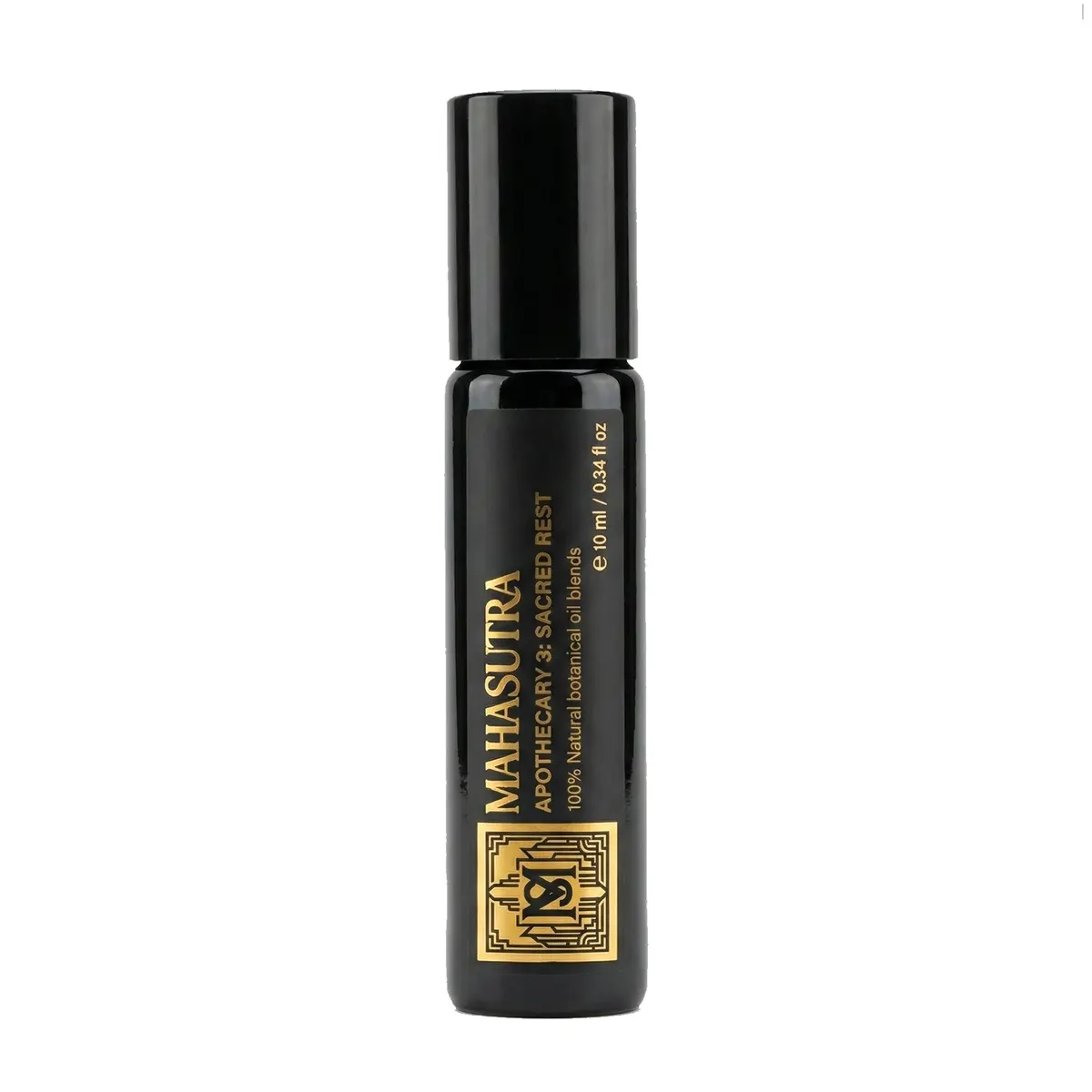
Spikenard Essential Oil: Smell, Uses, Safety and Sustainability
Spikenard has been traded from the Himalaya for three thousand years and named in the Gospels. Here is what it smells like, what the evidence does and doesn't show, how to use it, and why it is now critically endangered.
READ MORE- Essential oils ·
Valerian Root Essential Oil: Smell, Sleep Evidence and How to Use It
Valerian has been used for sleep since Hippocrates, but its essential oil smells like old socks at full strength, and most of the sleep research isn't about the oil at all. What you need to know before you buy.
READ MORE 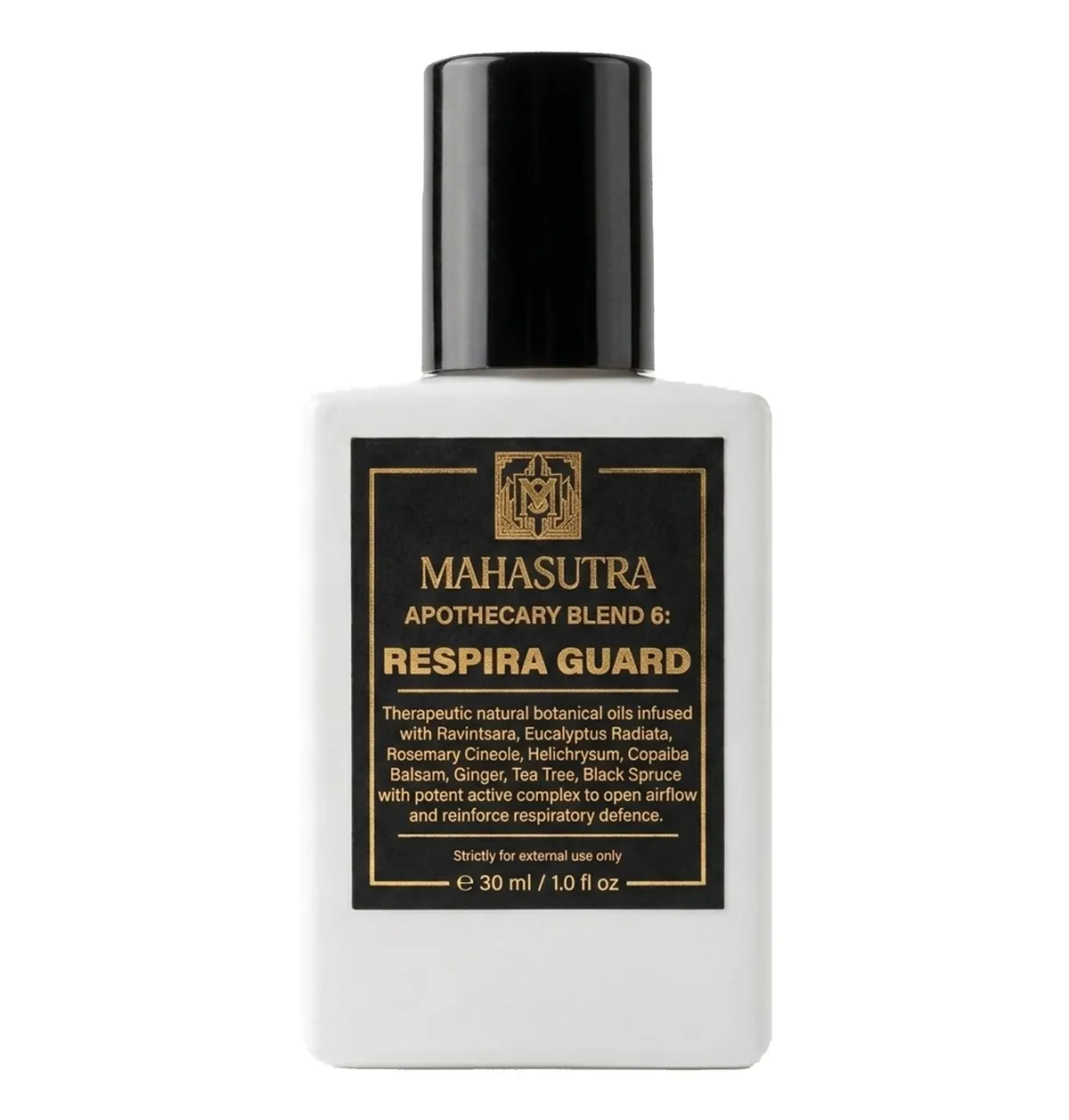 Essential oils ·
Ravintsara vs Ravensara: The Difference and Why It Matters
Two Madagascan oils, two near-identical names, and years of mislabelling. One is a fresh, cineole-rich leaf oil; one, in its bark form, is mostly estragole. How to tell them apart and use ravintsara well.
READ MORE- Essential oils ·
Eucalyptus Radiata vs Globulus: Which Eucalyptus Oil to Choose
Both are rich in cineole and both say 'eucalyptus' on the label, but one is sharp and medicinal and the other is softer and sweeter. How they differ, which to choose, and the safety rule that applies to both.
READ MORE - Essential oils ·
Essential Oils for a Blocked Nose: What Menthol and Eucalyptus Really Do
Menthol makes breathing feel easier, but research shows it doesn't actually open the nose. Here is what really happens, which oils people use for congestion, and how to use them safely.
READ MORE 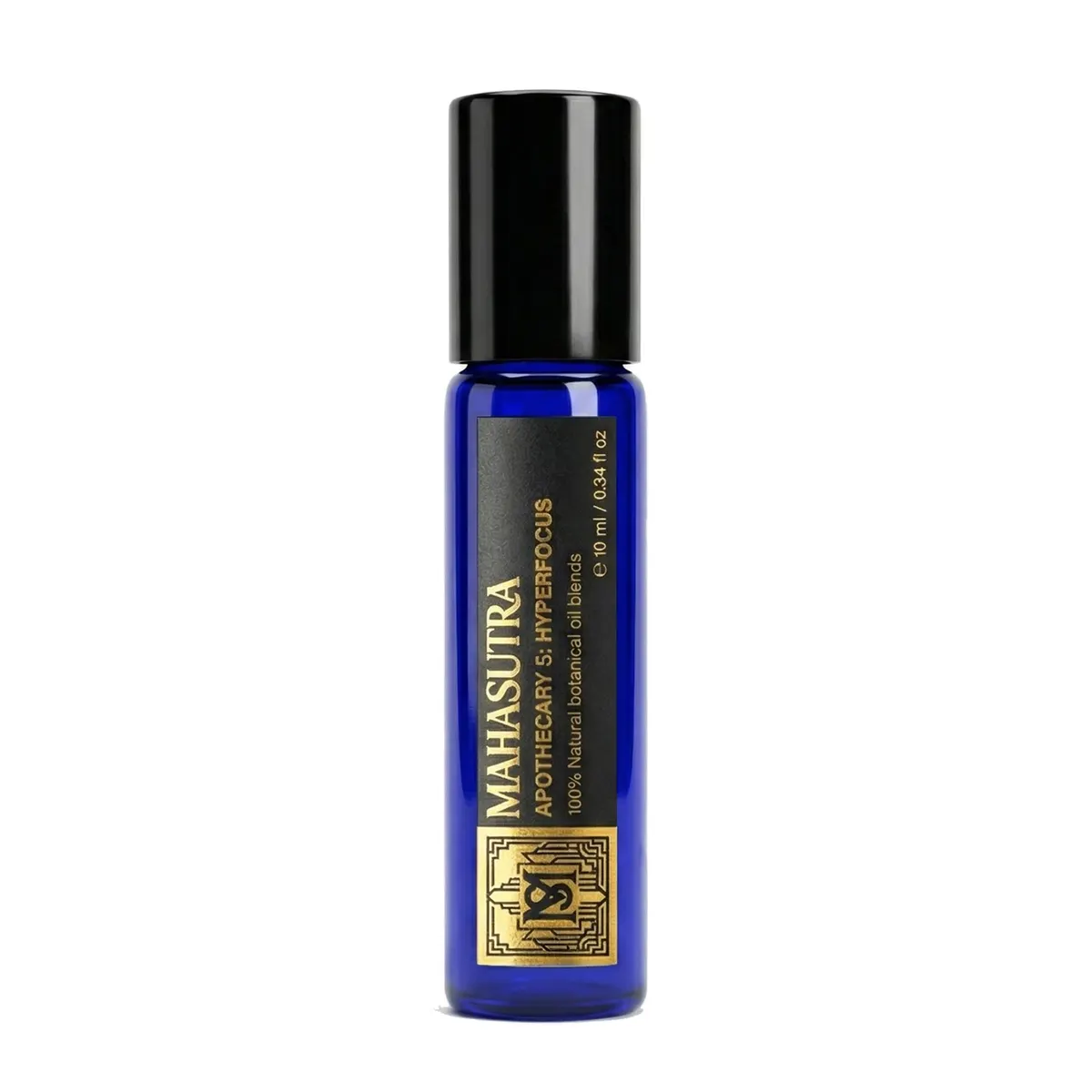 Essential oils ·
Peppermint Oil for Headaches: What the Clinical Trials Show
In a double-blind trial, peppermint oil on the forehead relieved tension headaches about as well as 1,000 mg of paracetamol. What the study found, which headaches it helps, and how to apply it.
READ MORE- Essential oils ·
Rosemary Essential Oil for Focus and Memory: What the Research Shows
Northumbria University researchers found that the more rosemary aroma people breathed in, the higher their blood levels of 1,8-cineole and the better they did on some mental tasks. What it shows, its limits, and how to use scent for focus.
READ MORE 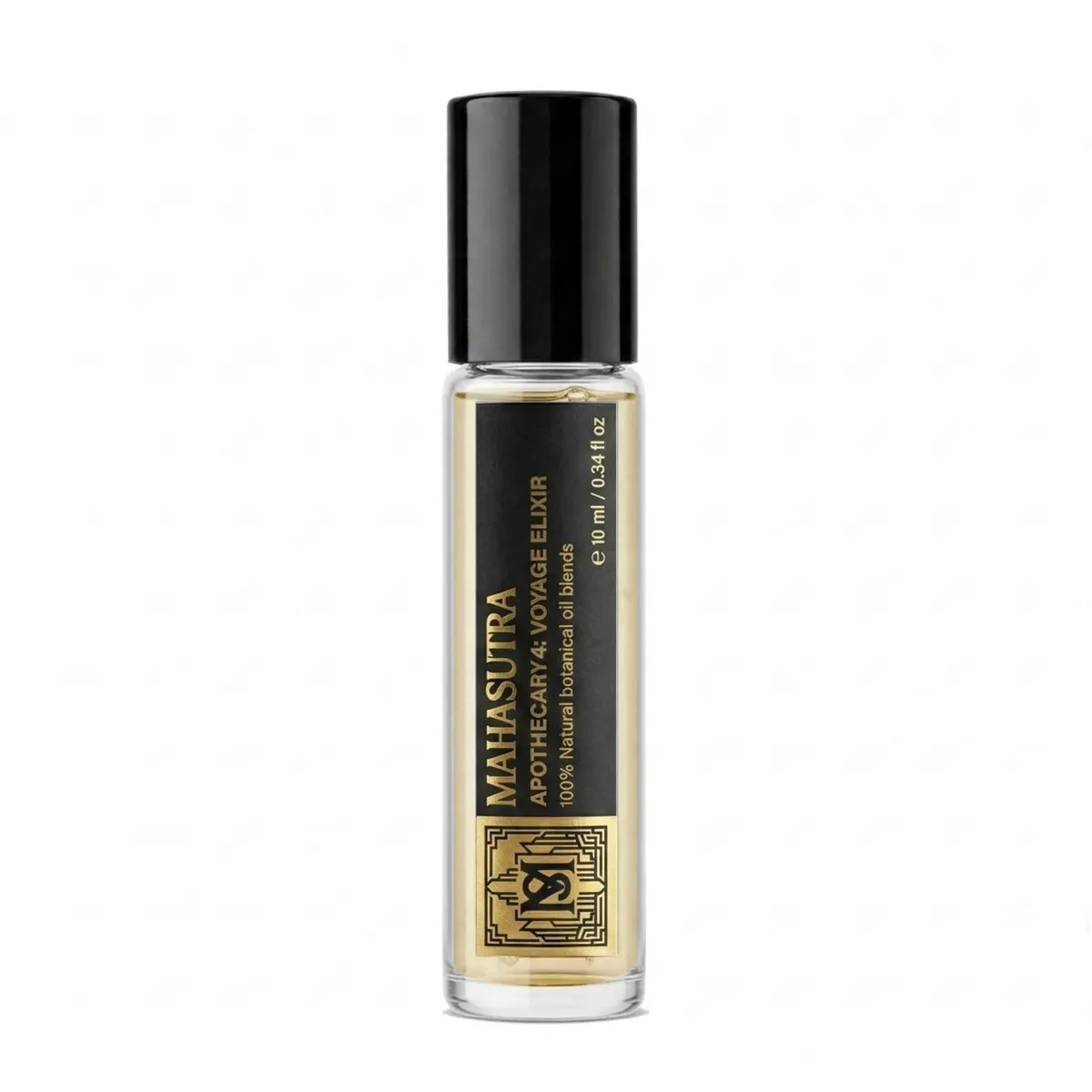 Essential oils ·
Essential Oils for Motion Sickness and Travel Nausea: Ginger, Peppermint and What Works
Ginger has the best evidence for nausea, mostly when eaten. Inhaled aromatherapy is more modest. What the research shows and a practical routine for flights, road trips and boats.
READ MORE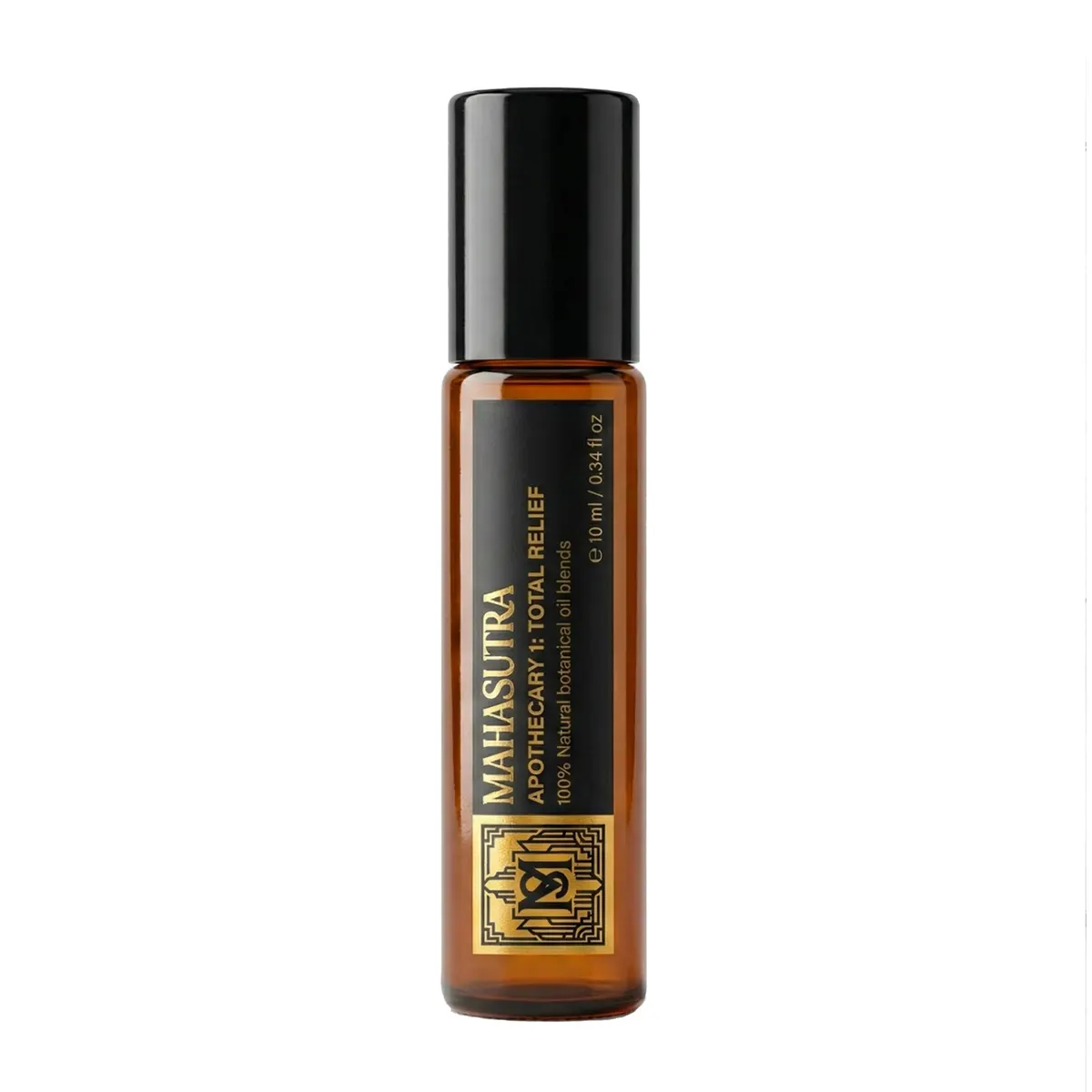 Essential oils ·
Essential Oils for Sore Muscles: Menthol, Camphor and How Muscle Rubs Work
Menthol, camphor, eucalyptus, clove, ginger and pepper have been the backbone of muscle rubs for centuries. What each one does, what the evidence shows, and how to use a rub safely.
READ MORE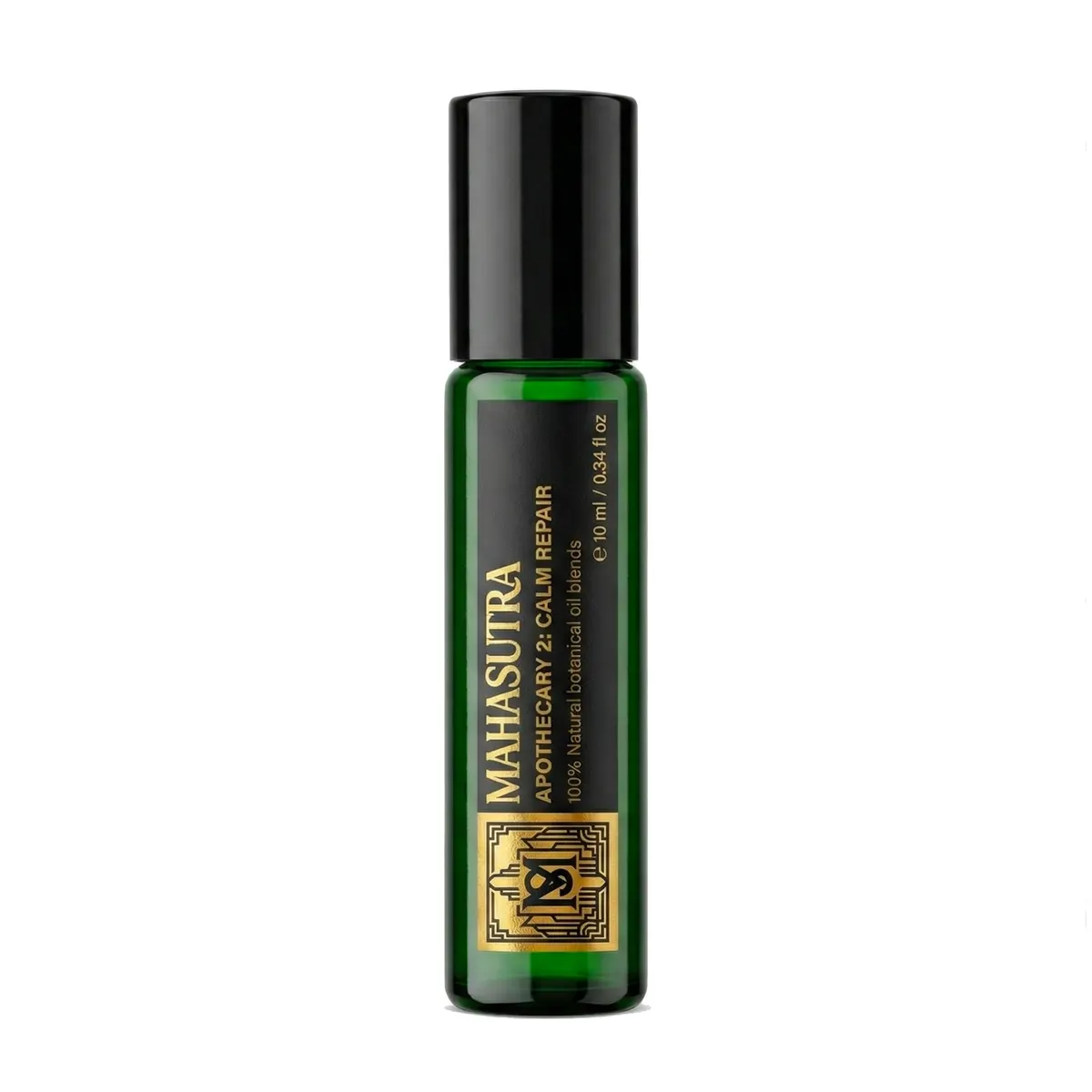 Essential oils ·
Helichrysum (Immortelle) Essential Oil: What It Is, Why It's Costly and How to Use It
Immortelle is one of the most expensive and talked-about oils in skincare. Where it comes from, what makes it unusual, what the research does and doesn't show, and how to buy the real thing.
READ MORE- Essential oils ·
Blue Tansy vs German Chamomile: Why They're Blue and How They Differ
Both oils turn a deep blue thanks to chamazulene, a molecule that only forms during distillation. How the two compare in scent, chemistry, supply and use, and why blue tansy is not common tansy.
READ MORE - Essential oils ·
Copaiba Oil: Beta-Caryophyllene, CB2 and What It Really Means
Copaiba's fame rests on one molecule, beta-caryophyllene, and one 2008 study that called it a dietary cannabinoid. What that study found, what it didn't, and how copaiba is used in blends.
READ MORE - Essential oils ·
Holy Basil (Tulsi) Essential Oil: Uses, Safety and How It Differs From Basil
Tulsi is sacred in India and widely drunk as tea, but its essential oil is a very different thing: spicy, clove-like and rich in eugenol. How to use it safely and how it compares with sweet basil.
READ MORE - Essential oils ·
Frankincense Essential Oil: Species, Boswellic Acids and Sustainable Sourcing
Frankincense is one of the best-selling oils, often sold on claims about boswellic acids, which the essential oil doesn't contain. The species compared, what the oil is good for, and why sourcing matters.
READ MORE - Essential oils ·
Vetiver Essential Oil: Smell, Origins, Uses in Perfume and Wellbeing
Vetiver smells of earth after rain, smoke and cool shade. Here is how Haitian, Javanese, Bourbon and Indian vetiver differ, how it's used in perfume and evening blends, and why it is a sustainability success story.
READ MORE 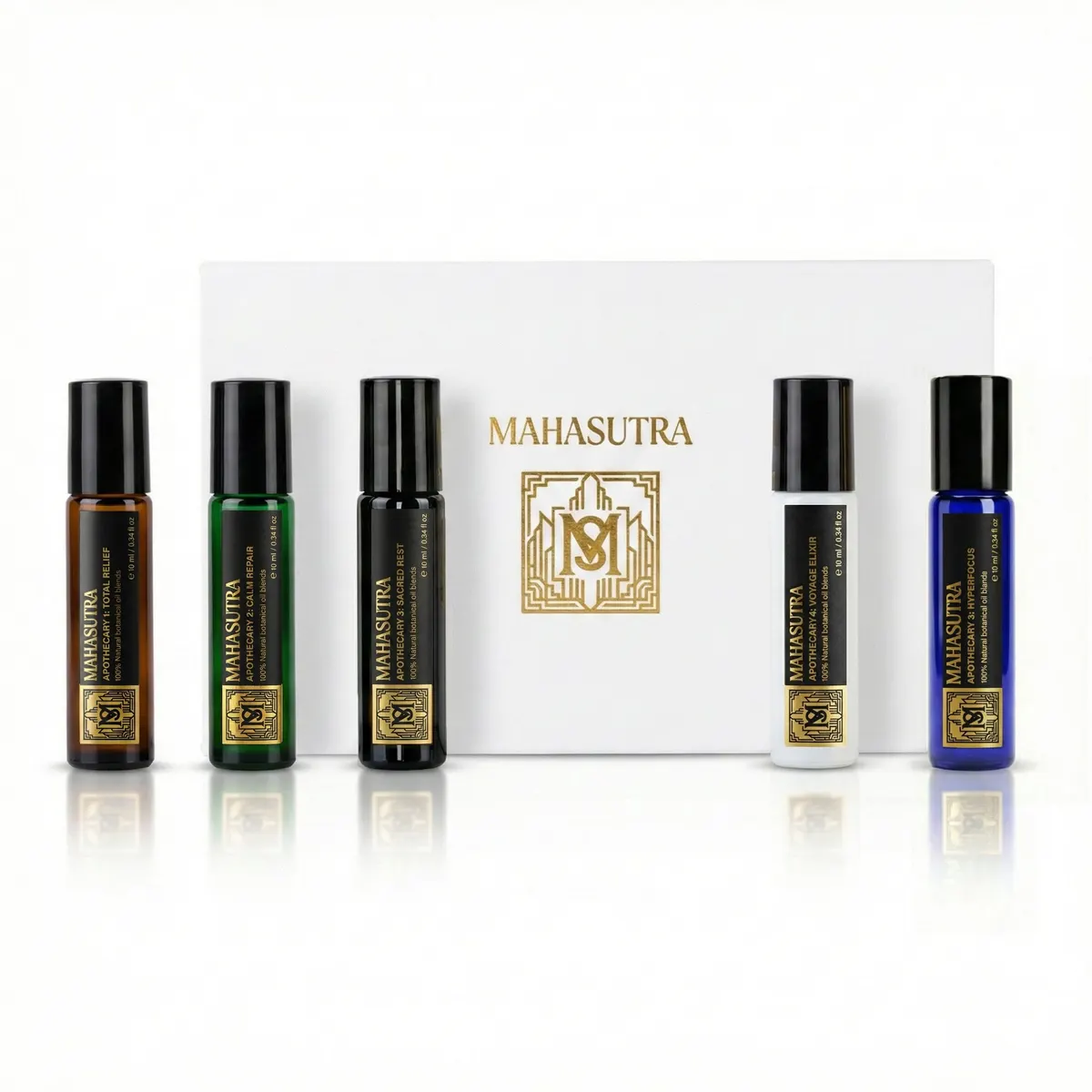 Essential oils ·
Essential Oil Dilution Chart: How Many Drops per 10 ml and 30 ml
Diluting is the single most important essential oil safety habit. A simple drops-per-millilitre chart, which strength to use for face, body and massage, the oils that need lower limits, and how to patch-test.
READ MORE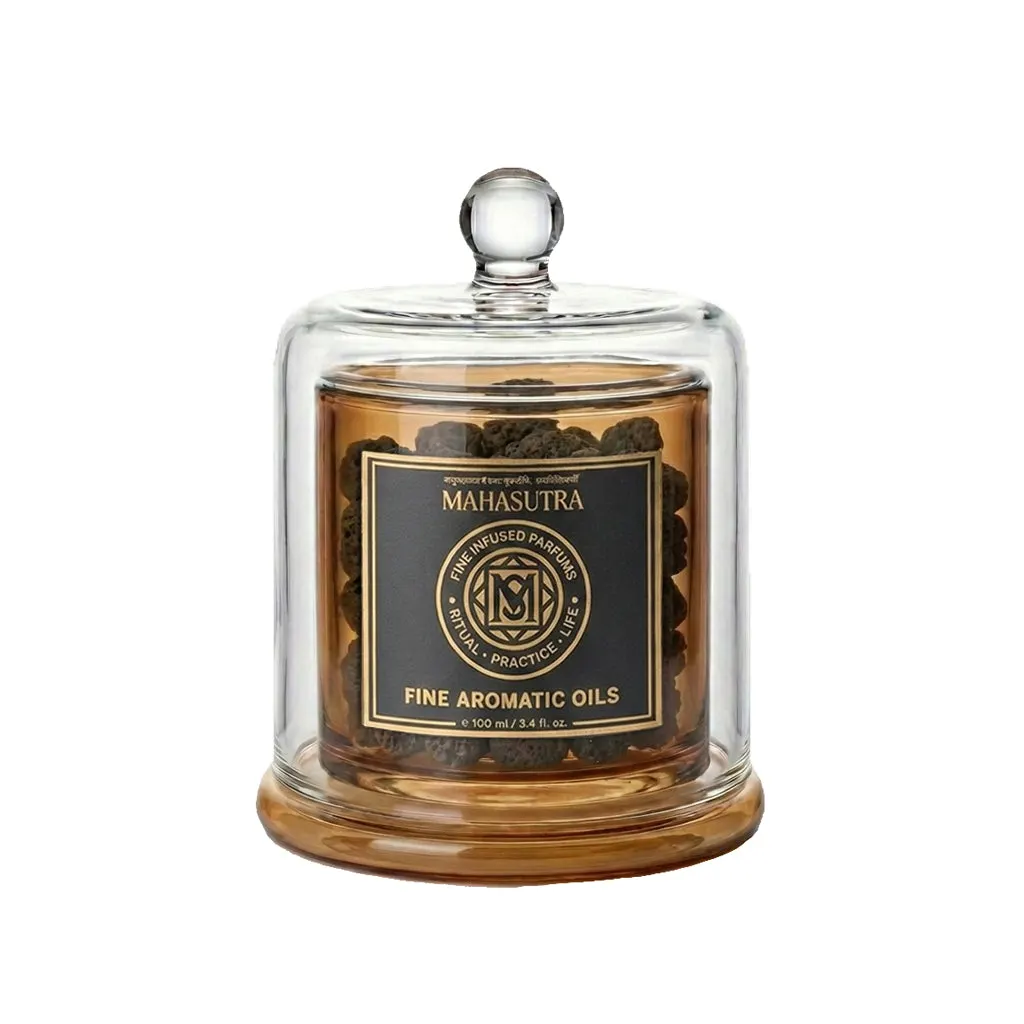 Essential oils ·
Are Essential Oils Safe for Cats and Dogs? Diffusers, Risks and Safe Use
Cats can't break down many essential oil compounds, and vets regularly see poisonings from oils applied to fur or licked up. Which animals are most at risk, the warning signs, and how to scent a home safely with pets.
READ MORE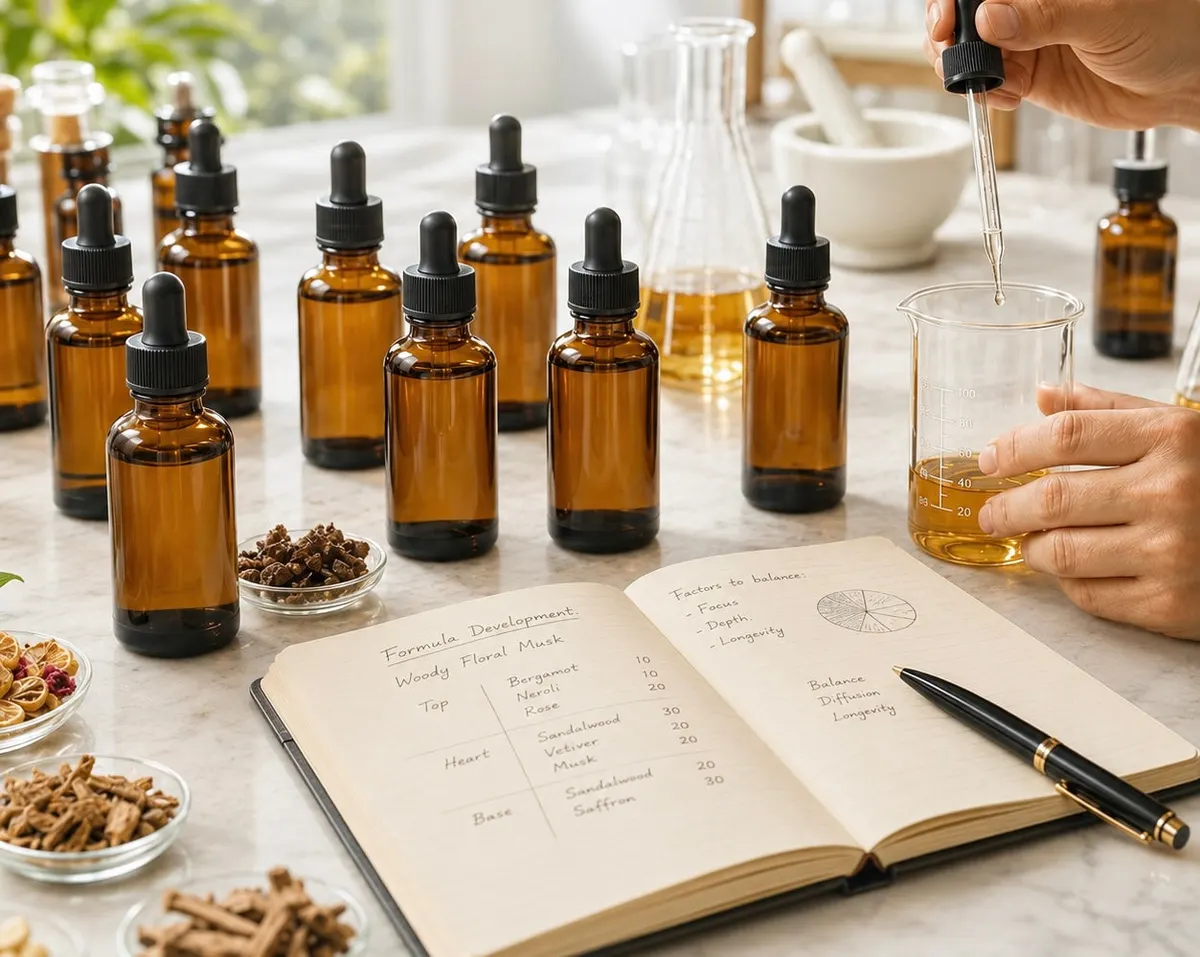 Essential oils ·
10 Things You Should Never Do With Essential Oils
Essential oils are natural, which fools people into thinking they’re harmless. They aren’t. Undiluted citrus and an afternoon in the sun has put people in hospital with second-degree burns. Here are ten mistakes worth knowing before your next bottle.
READ MORE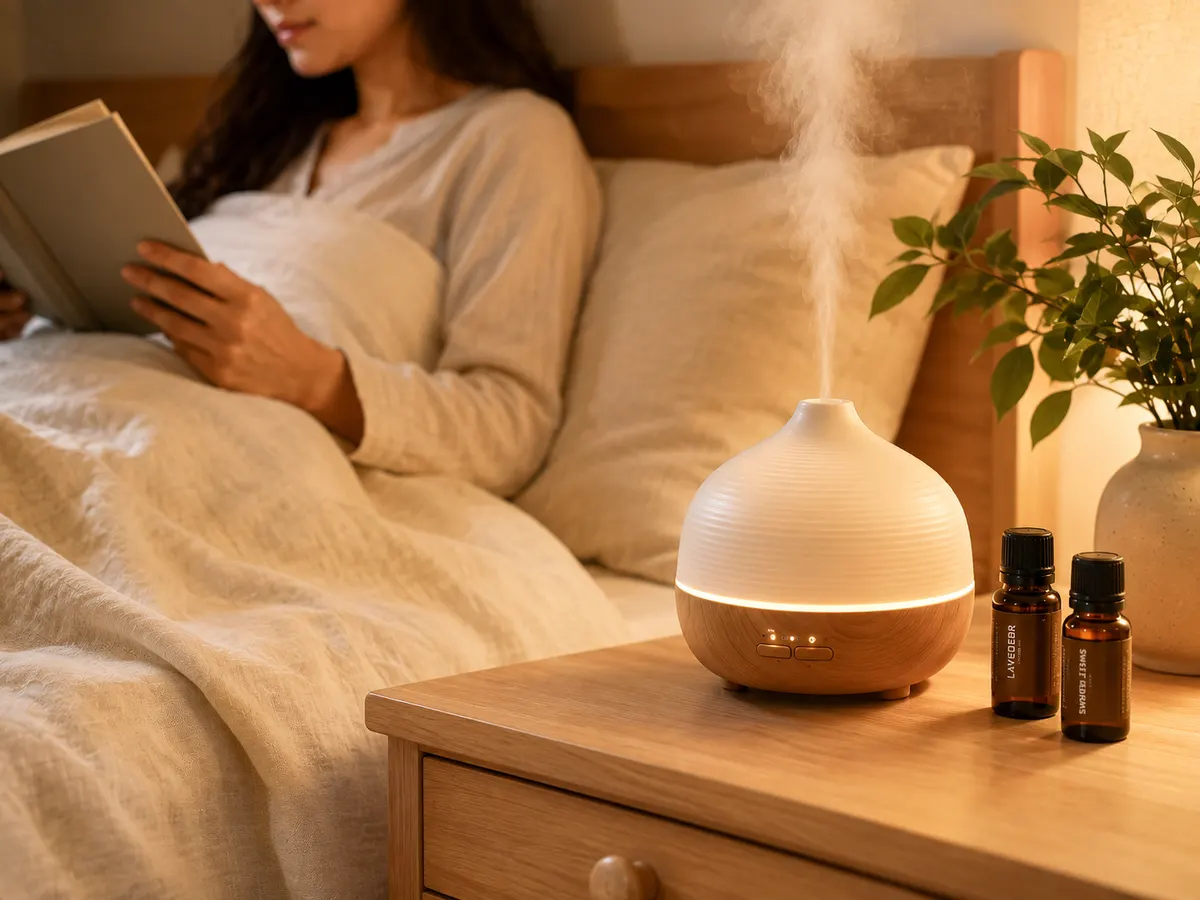 Essential oils ·
Essential Oils for Sleep: Building an Evening Wind-Down Routine
Hippocrates described valerian’s properties in the fifth century BCE. Spikenard appears in Ayurvedic record, in Egyptian burial rites, and in the Gospels. Three thousand years of continuous use — and almost no modern trial data. We looked at what the evidence establishes about lavender, neroli and sandalwood, why the gap around valerian exists, and how to build an evening routine that actually holds.
READ MORE
Candles & home fragrance
Candles, diffusers and scenting a home well.
 Candles & home fragrance ·
Candle Tunnelling: Why It Happens and How to Fix It
That narrow well down the middle of your candle is caused by wax memory, and it's almost always preventable. How to get a full melt pool, and three ways to rescue a tunnelled candle.
READ MORE- Candles & home fragrance ·
Soy vs Coconut vs Paraffin Candle Wax: What the Research Says
Is soy really cleaner than paraffin? A controlled 2021 study burned paraffin, soy, palm and stearin candles side by side and found no wax was consistently cleaner. What each wax does well, and what matters more.
READ MORE - Candles & home fragrance ·
Wooden Wick Candles: Why They Crackle and How to Burn Them
The gentle crackle is part of the appeal, but wooden wicks need slightly different care from cotton. How to trim, light and troubleshoot them for a clean, even burn.
READ MORE - Candles & home fragrance ·
Are Scented Candles Toxic? What the Research Actually Shows
Candles aren't harmless, but they aren't 'as bad as smoking' either. What a burning candle releases, what controlled studies found, and six habits that keep your indoor air cleaner.
READ MORE 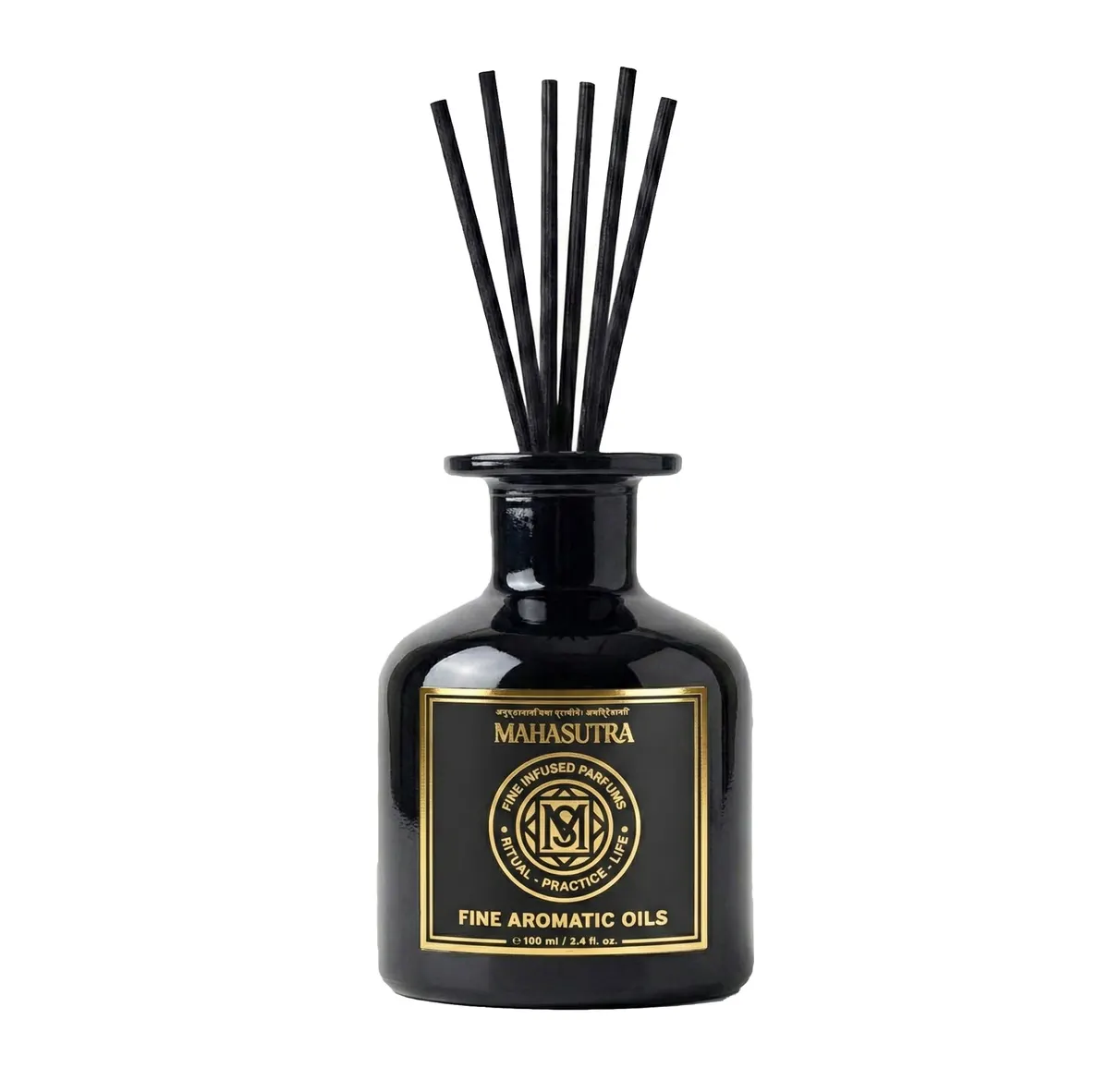 Candles & home fragrance ·
Reed Diffuser Not Smelling? How to Make It Stronger
A reed diffuser that smells wonderful for a week and then fades usually isn't empty. Why it happens, from nose fatigue to clogged reeds, and seven ways to make it stronger.
READ MORE- Candles & home fragrance ·
How to Make Your Home Smell Good: Every Method Compared
Candles, reeds, ultrasonic diffusers, lava stones, ceramic diffusers and sprays each suit different rooms. Start with fresh air, then match the method to the space with this practical guide.
READ MORE

RITUALS CREATED FROM ANCIENT PRACTICES

FREE SHIPPING
Complimentary shipping on orders over US$150

LIVE CUSTOMER SERVICE
Talk to a real person on WhatsApp or by email

GIFT WRAPPING
Complimentary gift wrapping makes every order feel special

NATURAL & ETHICAL
Formulated to meet international cosmetic safety standards