
Eucalyptus Radiata vs Globulus: Which Eucalyptus Oil to Choose
Both are rich in cineole and both say 'eucalyptus' on the label, but one is sharp and medicinal and the other is softer and sweeter. How they differ, which to choose, and the safety rule that applies to both.
"Eucalyptus oil" on a label can mean one of several species, and the two you will meet most often are Eucalyptus globulus and Eucalyptus radiata. They smell similar and are used for similar things, but there are real differences in strength, character and how gently they sit in a blend. Here is how to choose.
Two trees, one main molecule
Both oils are steam-distilled from the leaves of Australian eucalyptus trees, and both are dominated by 1,8-cineole, also called eucalyptol. Cineole is the cool, penetrating, camphor-like note people think of as "eucalyptus".
- Eucalyptus globulus, Tasmanian blue gum, is the classic medicinal eucalyptus and the most widely produced. Rectified globulus oils are typically very high in cineole, often in the range of 70 to 85 per cent.
- Eucalyptus radiata, narrow-leaved peppermint gum, usually carries somewhat less cineole and more of softer compounds such as alpha-terpineol and limonene. The result is a sweeter, fresher, slightly citrus-tinged scent.
How they smell
Globulus is sharp, medicinal and powerful, the smell of a chest rub. Radiata is rounder and more pleasant to wear for long periods. Perfumers and blenders often prefer radiata when an oil will be smelled for hours, for example in a roll-on or diffuser blend, because it reads as fresh rather than clinical.
Is radiata really "gentler"?
You will often read that radiata is safe for children while globulus is not. That is an oversimplification. Both oils are rich in 1,8-cineole, and cineole is the compound behind the main safety concern.
The rule that matters: do not apply any cineole-rich oil, whether eucalyptus, rosemary, ravintsara or similar, on or near the face of babies and young children, and do not diffuse it close to them. In very young children, cineole can cause breathing difficulties. Keep all eucalyptus oils well out of reach: swallowing even small amounts has caused serious poisoning in children.
For adults, radiata's softer profile makes it more comfortable to use at the same dilution, and it is less likely to feel overpowering. That is a practical difference, not a licence to skip dilution.
Which to choose
| If you want… | Choose |
| A strong, classic vapour-rub scent | Globulus |
| A fresher scent for daily roll-ons or diffuser blends | Radiata |
| A blend that sits well with florals or citrus | Radiata |
| Household cleaning sprays | Globulus (cheaper, punchier) |
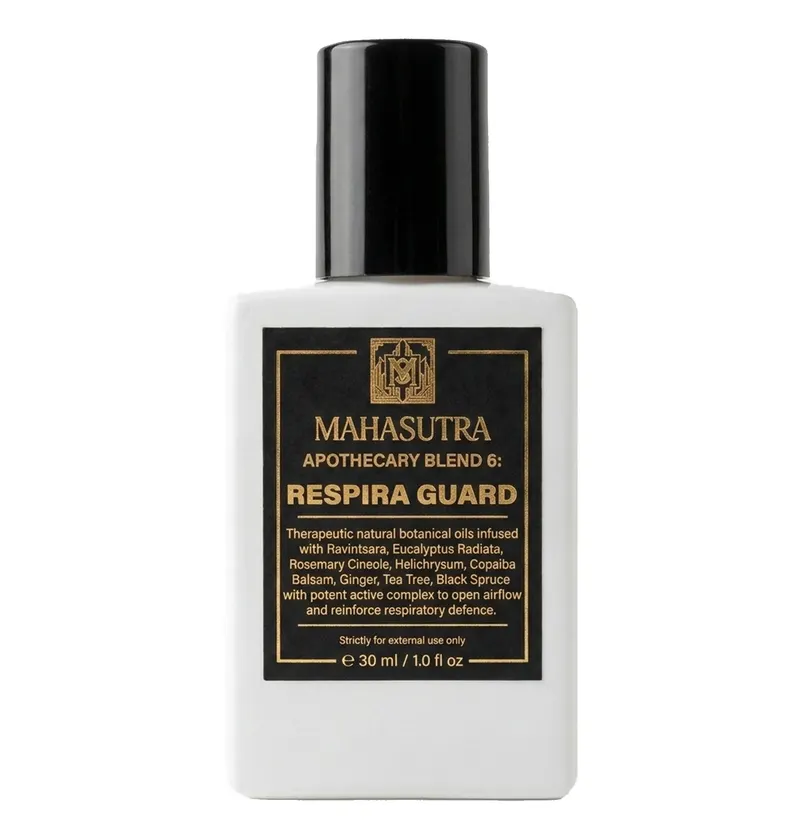
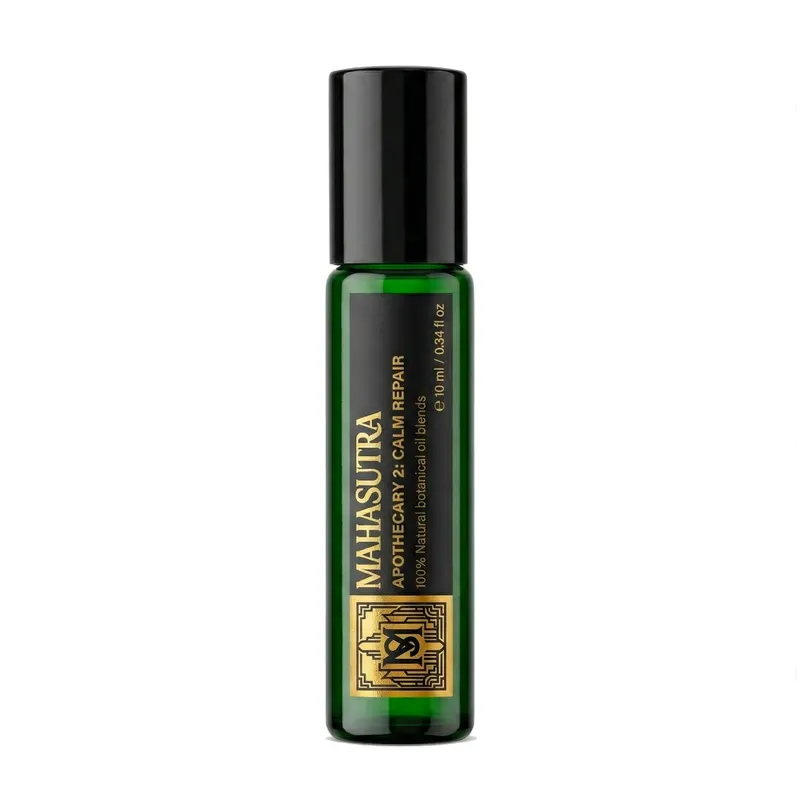
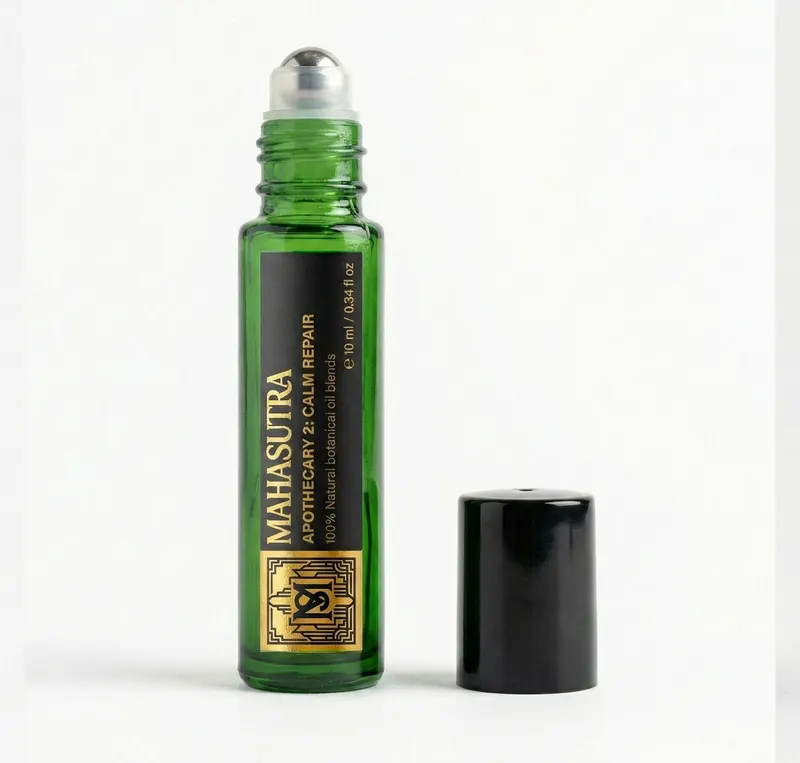
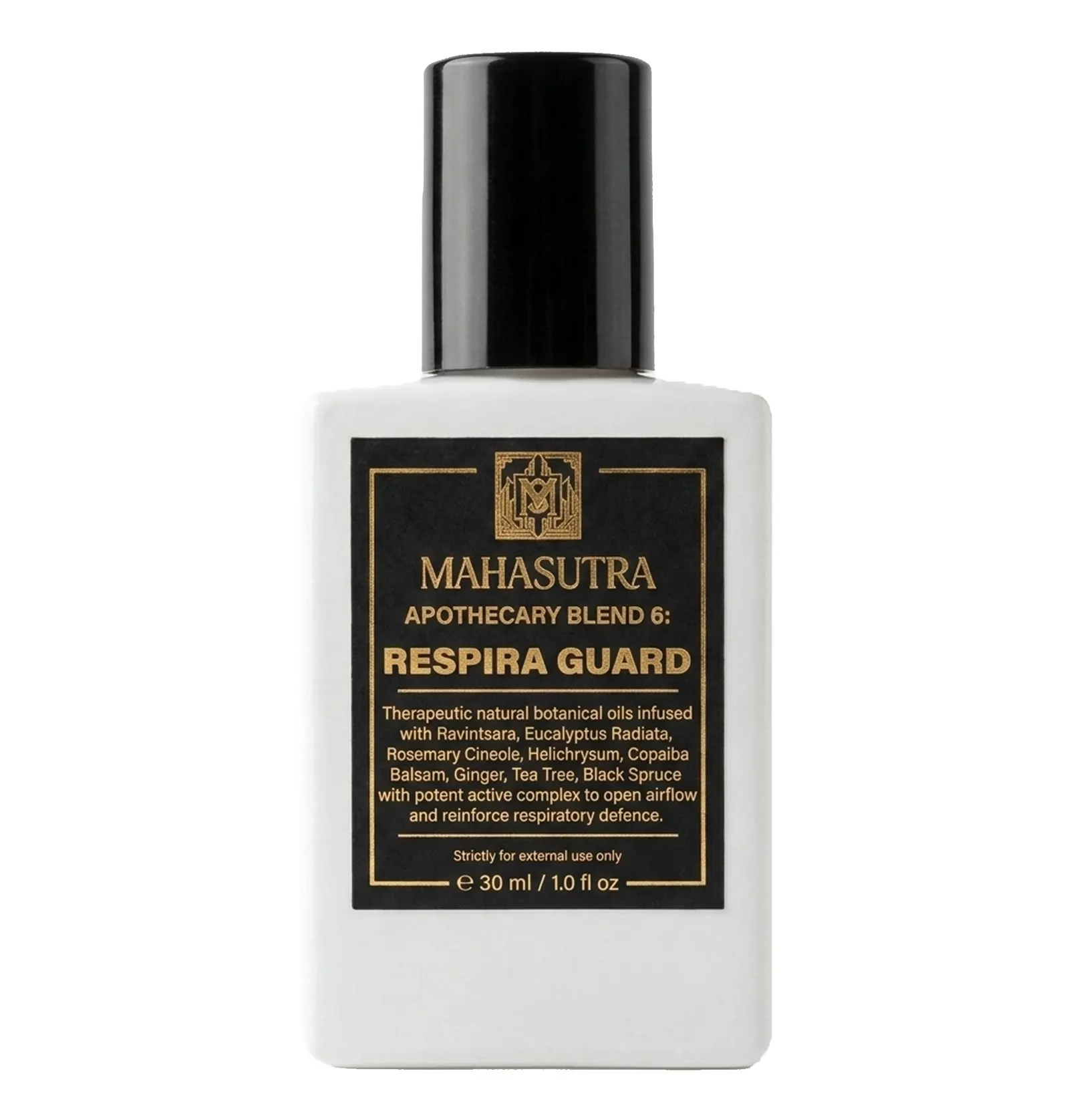
Our Respira Guard Oil uses eucalyptus radiata alongside ravintsara, rosemary cineole and peppermint for a cool, airy breathing blend, and our Calm Repair Oil uses it in a cooling skin-comfort blend. Radiata was chosen in both for its freshness on skin.
What eucalyptus oil is used for
- Breathing comfort: the cool sensation of cineole and menthol makes breathing feel clearer during colds. Read what the research says in our guide to essential oils for a blocked nose.
- Muscle rubs: eucalyptus is a staple of warming and cooling massage blends, usually with peppermint, rosemary and camphor. See essential oils for sore muscles.
- Freshening rooms: a few drops in a diffuser or on lava stones lifts a stuffy room quickly.
How to use it safely
- Dilute to 1 to 3 per cent in a carrier oil for skin. That is about 2 to 6 drops in 10 ml; our dilution chart has the full table.
- Never swallow it.
- For steam inhalation, use one or two drops in a bowl of hot (not boiling) water, keep your eyes closed, and stop if it stings.
- Take care if you have asthma; strong scents can trigger symptoms.
- Keep it away from cats, which cannot process many essential oil compounds well.
Common questions
Is eucalyptus radiata gentler than globulus?
Radiata usually has a softer, sweeter scent and is more comfortable in blends, but both are rich in 1,8-cineole and need the same care.
Is eucalyptus oil safe for kids?
Do not apply eucalyptus oil on or near the face of babies and young children, and keep bottles out of reach. Swallowing it has caused serious poisoning in children.
Which eucalyptus is best for a diffuser?
Radiata, for its fresher, rounder scent. Use three to five drops in a ventilated room.
This guide is for general information and is not medical advice. Speak to a doctor or pharmacist before using essential oils if you are pregnant, breastfeeding, take regular medication, have epilepsy, asthma or a skin condition, or are using them on a child.
Sources
- Tisserand R, Young R. Essential Oil Safety, 2nd ed. 2014
- ISO 770: Crude or rectified oils of Eucalyptus globulus