
Valerian Root Essential Oil: Smell, Sleep Evidence and How to Use It
Valerian has been used for sleep since Hippocrates, but its essential oil smells like old socks at full strength, and most of the sleep research isn't about the oil at all. What you need to know before you buy.
Valerian has been used for sleep for longer than almost any other plant. Hippocrates described it, Galen prescribed it for insomnia, and medieval Europe called it "all-heal". Yet most people who buy valerian root essential oil are surprised by two things: how strong it smells, and how little of the sleep research is actually about the oil. Here is what you need to know.
What valerian root oil is
The oil is steam-distilled from the dried roots and rhizomes of Valeriana officinalis, a tall perennial with pale pink flowers that grows across Europe and Asia and is widely cultivated. The yield is low, around 0.5 to 2 per cent of the dried root, and the oil is a viscous olive-green to brownish liquid.
Its main aromatic constituents include bornyl acetate, which gives a camphor-pine note, and valeranone. The famous smell comes from isovaleric acid, which forms as the root dries and ages.
What does valerian smell like?
Honestly, at full strength it smells like old socks or strong cheese. Isovaleric acid is the same molecule responsible for foot odour. Underneath that is a warm, earthy, woody-balsamic character that lasts for days on fabric.
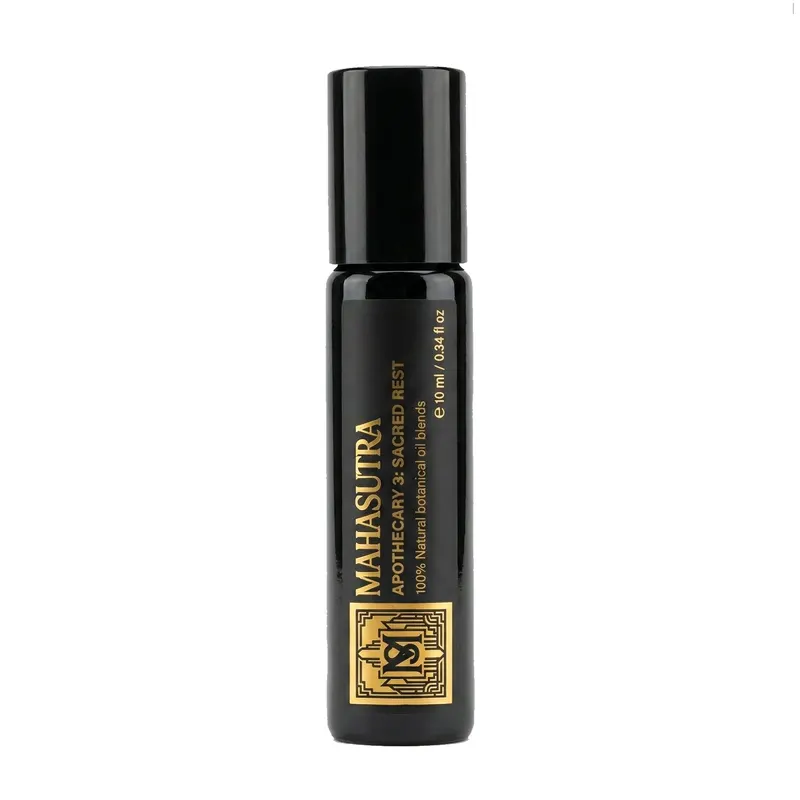
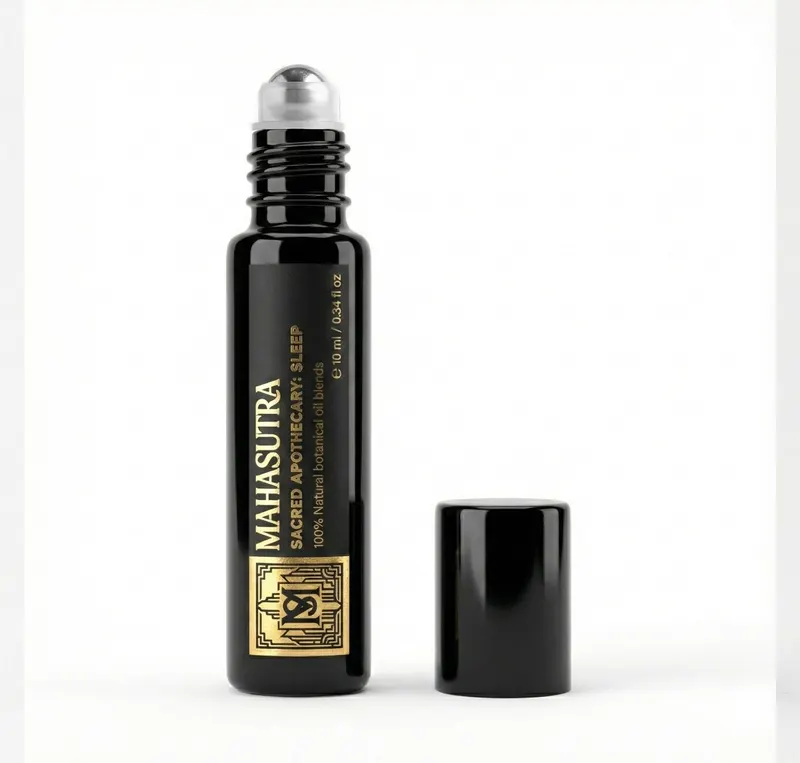
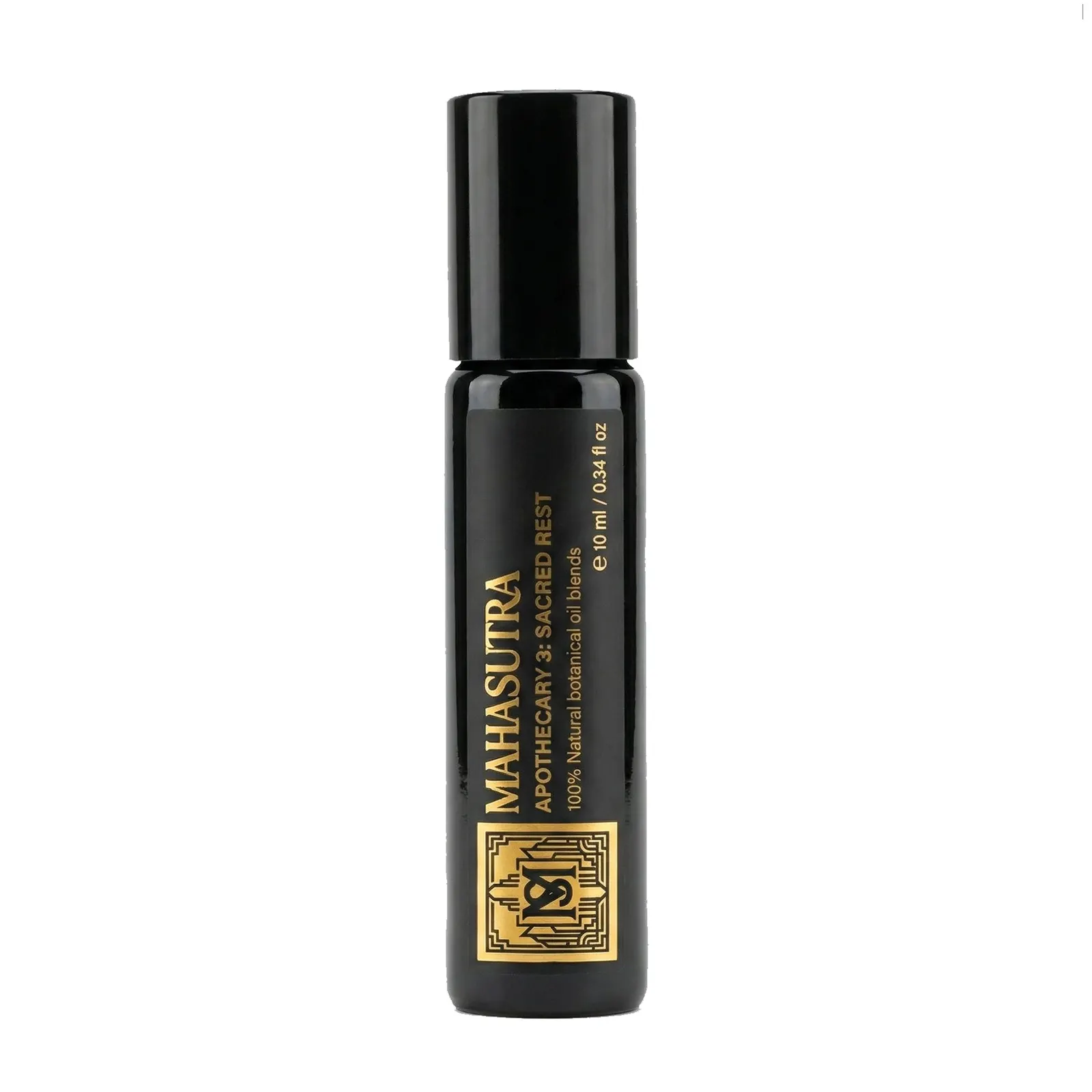
Diluted to a fraction of a per cent within a blend, the sharp opening disappears and what remains is a soft, rooty depth, similar to vetiver or spikenard. That is how it is used in our Sacred Rest Oil: as a grounding background note under lavender, sandalwood and neroli, not as the headline.
Does valerian help you sleep?
Most valerian research involves root extracts taken by mouth, usually in capsules or tea. That research is mixed:
- A 2006 systematic review and meta-analysis in the American Journal of Medicine (Bent and colleagues) found that valerian might improve sleep quality, but warned that the studies had significant methodological problems and evidence of publication bias.
- A 2010 meta-analysis in Sleep Medicine (Fernández-San-Martín and colleagues) found that people reported sleeping better, but objective measures of sleep did not show a clear effect.
The compound most often linked to valerian's activity, valerenic acid, interacts with GABA-A receptors in laboratory studies. But valerenic acid is a relatively heavy molecule, and its presence in steam-distilled essential oil is far lower than in extracts. So oral extract findings cannot simply be applied to the oil.
There are almost no good human trials of valerian essential oil used by inhalation or on skin. The honest summary: valerian oil is a traditional evening aromatic with a plausible background, used today mainly for its grounding scent within sleep routines. The best-supported aromatic for sleep remains lavender, and our guide to essential oils for sleep explains how to build a routine around it.
How to use valerian oil
- Always blend it. One drop in a blend of ten is plenty. Pair it with lavender, cedarwood, sandalwood or Roman chamomile.
- Use it at the end of the day only. Its traditional association is with winding down, and its scent lingers.
- Keep it off pillows if you dislike the smell. Fabric holds valerian for a long time; pulse points or a roll-on are easier to control.
- Diffuse sparingly. In a diffuser, use one drop alongside two or three of a lighter oil, in a ventilated room.
Safety
Valerian root oil is not considered a high-risk oil when used externally and diluted. Do not swallow essential oils. Because oral valerian can cause drowsiness and may add to the effect of sedatives and alcohol, people taking sleep medication, anxiety medication or other sedatives should speak to a doctor or pharmacist before combining them with any valerian product. Avoid during pregnancy and breastfeeding unless advised otherwise, and keep it away from children and pets. Cats in particular are strongly attracted to the smell of valerian, and essential oils are not safe for them; see our guide to essential oils and pets.
Valerian versus spikenard
They are related plants with overlapping traditional uses, but they smell different and have very different conservation profiles. Valerian is widely cultivated and not threatened. Spikenard is wild-harvested in the Himalaya and listed as critically endangered. If you want an earthy evening note with a lighter environmental footprint, valerian, vetiver and cedarwood are good alternatives. Read more in our spikenard guide.
Common questions
Why does valerian oil smell bad?
Its sharp, cheesy note comes from isovaleric acid, which forms as the root dries. Diluted in a blend, that note fades and leaves a warm, earthy depth.
Does valerian essential oil help you sleep?
Most valerian sleep research uses oral root extracts, with mixed results. There are almost no good trials of the essential oil itself; it is best used for its grounding scent within a routine.
Can I use valerian oil with sleeping pills?
Speak to a doctor or pharmacist first. Valerian products may add to the effect of sedatives and alcohol.
Do cats like valerian?
Many cats are strongly attracted to valerian, but essential oils are not safe for cats. Keep bottles and blends well out of reach.
This guide is for general information and is not medical advice. Speak to a doctor or pharmacist before using essential oils if you are pregnant, breastfeeding, take regular medication, have epilepsy, asthma or a skin condition, or are using them on a child.
Sources
- Bent S et al. Valerian for sleep: a systematic review and meta-analysis. American Journal of Medicine, 2006;119(12):1005–1012
- Fernández-San-Martín MI et al. Effectiveness of valerian on insomnia: a meta-analysis of randomized placebo-controlled trials. Sleep Medicine, 2010;11(6):505–511
- Premier Peau glossary: Valerian (composition data)