
Are Essential Oils Safe for Cats and Dogs? Diffusers, Risks and Safe Use
Cats can't break down many essential oil compounds, and vets regularly see poisonings from oils applied to fur or licked up. Which animals are most at risk, the warning signs, and how to scent a home safely with pets.

Diffusers, reed diffusers, candles and room sprays are in most homes now, and so are cats and dogs. Vets regularly see animals poisoned by essential oils, almost always by accident and almost always from oils applied directly or licked up, rather than from a scent in the air. Here is what makes oils risky for pets, which animals are most at risk, and how to scent your home without putting them in danger.
Why cats are especially vulnerable
Many essential oil compounds are cleared from the body by the liver, which attaches them to a molecule called glucuronic acid so they can be excreted. Cats are poor at this process: they lack a key enzyme in the pathway (from the UGT1A6 gene family), which is also why common painkillers such as paracetamol are dangerous for them. Compounds that a dog or person clears quickly can build up in a cat.
Cats also groom constantly. Any oil that lands on their fur, from a spill, a diffuser mist settling on bedding, or a person's oily hands, ends up being swallowed.
Dogs, birds and small animals
- Dogs are less sensitive than cats but are still poisoned, usually by oils applied to their skin or by chewing bottles.
- Birds have extremely efficient, delicate respiratory systems and are sensitive to anything in the air, including diffuser mist, candle smoke and aerosol sprays.
- Rabbits, guinea pigs and other small mammals live close to the floor in small spaces where scent concentrates.
The tea tree warning
Tea tree oil is a well-documented example. A 2014 study in the Journal of the American Veterinary Medical Association reviewed 443 cases of dogs and cats exposed to concentrated tea tree oil, most often when owners applied it to treat skin problems. Signs included drooling, weakness, wobbliness, muscle tremors and low body temperature, and some animals needed hospital care. Small doses of undiluted oil were enough to cause problems, especially in cats and small dogs.
Oils most often linked to problems
Pet poison helplines commonly list tea tree, pennyroyal, wintergreen, clove, cinnamon, citrus oils, peppermint, eucalyptus, pine, sweet birch and ylang ylang among the oils that cause poisoning. This is not an exhaustive list: almost any concentrated essential oil can harm a pet if it is applied to the skin or swallowed.
Signs of essential oil poisoning
- Drooling, pawing at the mouth, vomiting
- Watery eyes or nose, coughing, fast or laboured breathing
- Wobbliness, weakness, tremors, unusual sleepiness
- Redness or burns on the skin or lips
- A strong scent of oil on the fur or breath
If you suspect poisoning: move your pet into fresh air, do not make them vomit, and call your vet or an animal poison helpline straight away. Bring the bottle with you. If oil is on the fur, a vet may advise washing with a mild dishwashing liquid.
How to scent a home safely with pets
- Never apply essential oils to pets, and never use human essential oil products on them as flea, skin or calming treatments unless prescribed by a vet.
- Keep bottles, roll-ons and diffuser refills sealed and out of reach. Clean up spills straight away.
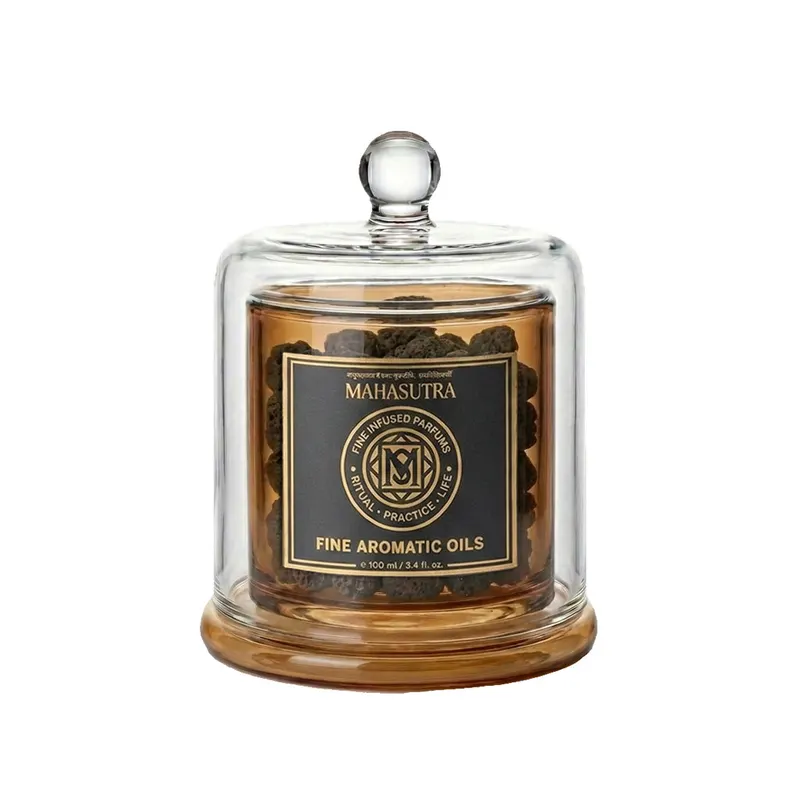
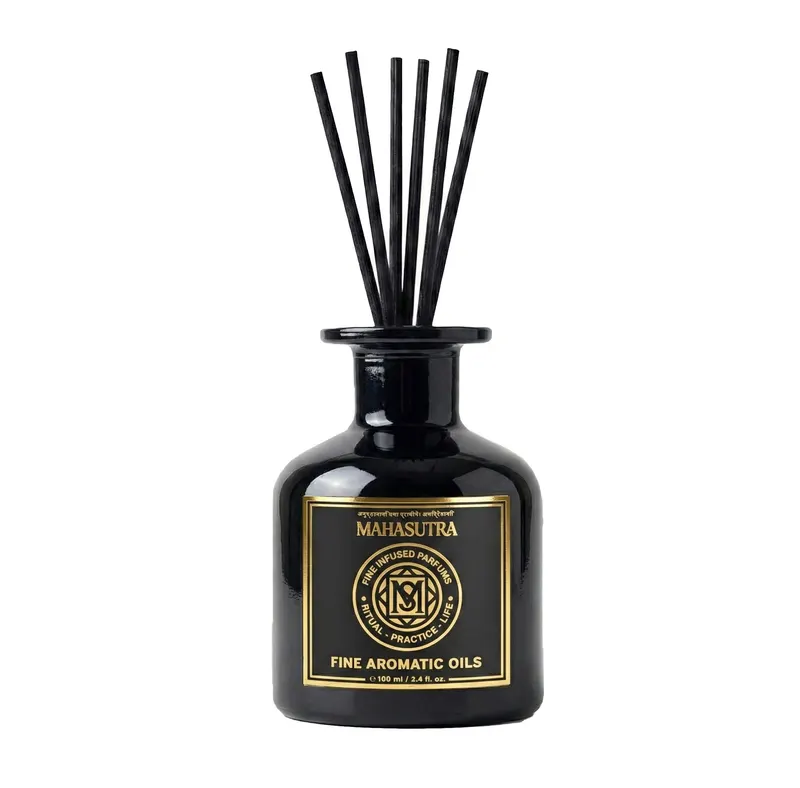
- Use passive methods in pet-free rooms. Lava stones, ceramic diffusers and reed diffusers release scent gently. Place them high up and out of reach, where pets cannot knock them over or lick them.
- If you use an ultrasonic diffuser, use a few drops, run it for short periods in a well-ventilated room, and always leave the door open so your pet can leave. Never diffuse in a closed room with a cat or bird, and avoid it altogether where birds live.
- Wash your hands after applying oils or roll-ons before stroking your pet.
- Watch your pet. If they avoid the room, sneeze, drool or seem unsettled, stop.
Candles and room sprays bring their own considerations, from open flames to aerosols. Our guide to whether scented candles are toxic covers air quality, and how to make your home smell good compares every method.
Common questions
Is it safe to diffuse essential oils around cats?
Take great care. Never diffuse in a closed room with a cat, use small amounts for short periods, ventilate, and always let the cat leave the room.
Why are essential oils toxic to cats?
Cats lack an enzyme their liver uses to clear many compounds, so they build up. Grooming also means any oil on their fur gets swallowed.
What are the signs of essential oil poisoning in pets?
Drooling, vomiting, coughing or laboured breathing, wobbliness, tremors, unusual sleepiness and redness on the skin or lips.
Are reed diffusers safe for pets?
Safer than active diffusion, but place them high and out of reach so they can't be knocked over or licked.
This guide is for general information and is not medical advice. Speak to a doctor or pharmacist before using essential oils if you are pregnant, breastfeeding, take regular medication, have epilepsy, asthma or a skin condition, or are using them on a child.
Sources
- Khan SA, McLean MK, Slater MR. Concentrated tea tree oil toxicosis in dogs and cats: 443 cases (2002–2012). Journal of the American Veterinary Medical Association, 2014;244(1):95–99
- Court MH, Greenblatt DJ. Molecular genetic basis for deficient acetaminophen glucuronidation by cats: UGT1A6 is a pseudogene. Pharmacogenetics, 2000;10(4):355–369
- ASPCA Animal Poison Control Center