
Ravintsara vs Ravensara: The Difference and Why It Matters
Two Madagascan oils, two near-identical names, and years of mislabelling. One is a fresh, cineole-rich leaf oil; one, in its bark form, is mostly estragole. How to tell them apart and use ravintsara well.
Ravintsara and ravensara are two of the most confused names in aromatherapy. Both come from Madagascar, both names come from Malagasy words for a fragrant leaf, and for years suppliers sold one under the other's name. But they come from different trees and have different chemistry. One of them, in one form, contains a compound most people would rather avoid. Here is how to tell them apart.
The short answer
| Ravintsara | Ravensara | |
| Botanical name | Cinnamomum camphora (leaf, cineole chemotype) | Ravensara aromatica |
| Family | Laurel (Lauraceae) | Laurel (Lauraceae) |
| Origin | Madagascar, where the camphor tree was introduced | Endemic to Madagascar |
| Main constituent | 1,8-cineole (eucalyptol) | Leaf oil varies; bark oil is mostly estragole |
| Scent | Clean, fresh, eucalyptus-like, slightly sweet | Leaf: spicy, slightly aniseed; bark: strongly aniseed |
| Typical use | Breathing blends, winter rubs, fresh diffuser blends | Less common; bark oil best avoided |
What ravintsara is
Ravintsara is the leaf oil of the camphor tree, Cinnamomum camphora, grown in Madagascar. The camphor tree is a single species with several chemical types, or chemotypes. In China and Taiwan, leaf oil from the same species can be rich in linalool (sold as ho leaf), in camphor, or in cineole. The Madagascan trees produce the cineole type, and that oil is what aromatherapists call ravintsara.
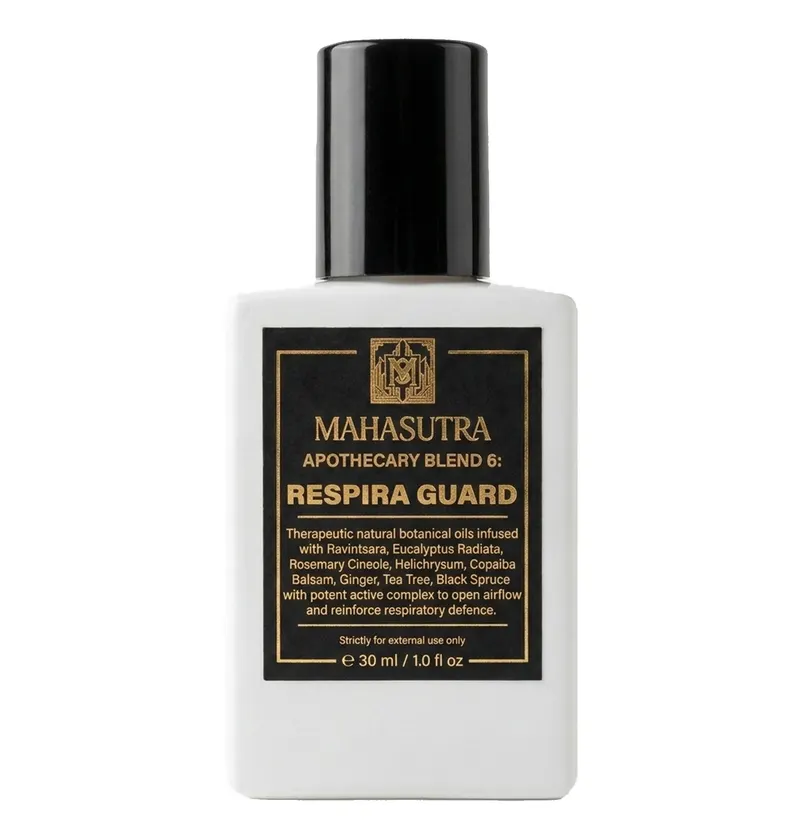
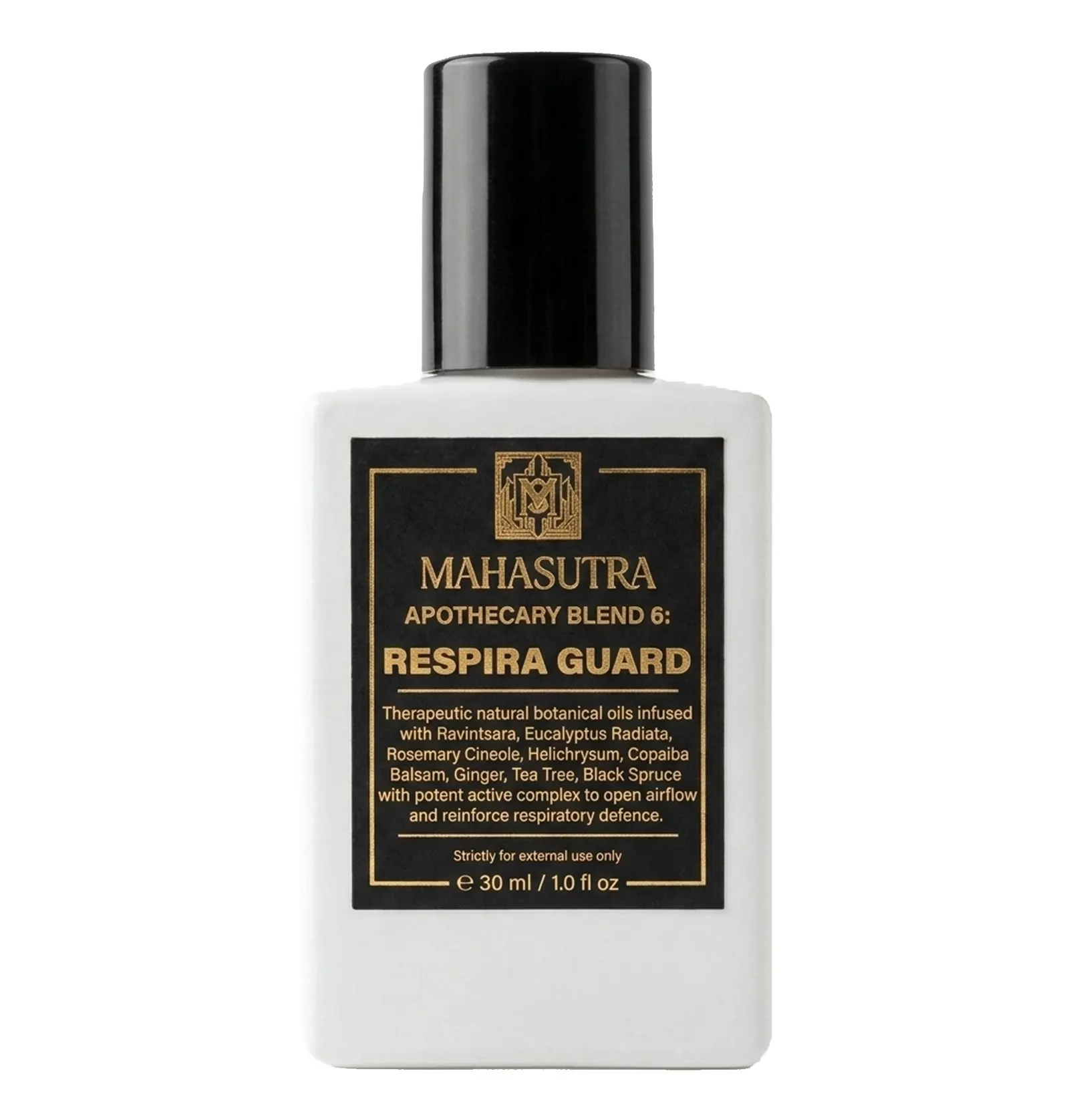
Because it is dominated by 1,8-cineole, ravintsara smells clean and airy, like a softer, sweeter eucalyptus. That is why it appears in breathing-focused blends such as our Respira Guard Oil, alongside eucalyptus radiata, rosemary cineole and peppermint.
Despite the name, ravintsara oil does not contain significant amounts of camphor. That is a common misunderstanding.
What ravensara is
Ravensara, Ravensara aromatica, is a different tree that is native only to Madagascar. Two oils can be produced from it. Leaf oil is variable in composition. Bark oil has been reported to be around 90 to 95 per cent estragole, also called methyl chavicol, which gives it a strong aniseed smell.
Estragole is a concern because it has been shown to be carcinogenic in rodents at high doses, and safety authorities recommend limiting exposure. Harvesting bark is also destructive to slow-growing trees. For both reasons, ravensara bark oil is best avoided.
Why the names got mixed up
For decades, several influential aromatherapy books described "ravensara" while actually describing the properties of ravintsara. Suppliers then sold a single oil under the ravensara name, and spelling variants such as ravinsara and ravensare made things harder still. The result is that many bottles labelled ravensara are, in fact, ravintsara.
How to check what you are buying: look for the full Latin name on the label, not just the common name. Good suppliers also state the plant part (leaf or bark) and can provide a GC-MS analysis showing the main constituents. Ravintsara should show 1,8-cineole as the dominant compound. A product that smells strongly of aniseed is not ravintsara.
What ravintsara is used for
Ravintsara is valued for the same reasons as other cineole-rich oils such as eucalyptus and rosemary: a clear, fresh scent that makes breathing feel easier, especially in humid weather or during a cold. That sensation is real. Whether cineole-rich oils actually open the airways when inhaled is less clear; our guide to essential oils for a blocked nose explains what the research does and doesn't show.
Laboratory studies have found antiviral and antimicrobial activity for cineole and for some cineole-rich oils, but test-tube results are not evidence that an oil prevents or treats infections in people. Use ravintsara for comfort, not as a substitute for medical care.
Using ravintsara safely
- Dilute it: 1 to 3 per cent in a carrier oil for chest or back rubs is typical.
- Do not apply cineole-rich oils on or near the face of babies and young children. 1,8-cineole can cause breathing problems in very young children.
- Avoid if you have epilepsy unless your doctor agrees, and take extra care if you have asthma; strong scents can trigger symptoms in some people.
- Do not swallow it, and keep it out of reach of children and pets.
For a closer look at another cineole oil that is often swapped for ravintsara, read eucalyptus radiata versus globulus.
Common questions
Are ravintsara and ravensara the same?
No. Ravintsara is the cineole-type leaf oil of the camphor tree, Cinnamomum camphora. Ravensara comes from a different tree, Ravensara aromatica. They were often mislabelled for years.
Does ravintsara contain camphor?
Not in significant amounts. Despite coming from the camphor tree, Madagascan ravintsara is dominated by 1,8-cineole.
Is ravintsara safe for children?
Do not apply cineole-rich oils such as ravintsara on or near the face of babies and young children, and do not diffuse them close to them.
How do I know I'm buying ravintsara?
Check the Latin name and plant part on the label, and ask for a GC-MS report showing 1,8-cineole as the main compound.
This guide is for general information and is not medical advice. Speak to a doctor or pharmacist before using essential oils if you are pregnant, breastfeeding, take regular medication, have epilepsy, asthma or a skin condition, or are using them on a child.
Sources
- Robert Tisserand: Ravensara rant
- Tisserand R, Young R. Essential Oil Safety, 2nd ed. 2014