
Frankincense Essential Oil: Species, Boswellic Acids and Sustainable Sourcing
Frankincense is one of the best-selling oils, often sold on claims about boswellic acids, which the essential oil doesn't contain. The species compared, what the oil is good for, and why sourcing matters.
Frankincense has been burned in temples, traded across deserts and offered to kings for more than three thousand years. Today it is one of the best-selling essential oils, often marketed with extraordinary claims. Some of those claims rest on a basic chemistry mistake. Here is what frankincense oil is, how the species differ, what the oil does and doesn't contain, and why sourcing matters.
What frankincense is
Frankincense, also called olibanum, is the dried resin of Boswellia trees, which grow in the dry lands of the Arabian Peninsula, the Horn of Africa and India. Harvesters cut the bark, and the tree bleeds a milky resin that hardens into "tears". The essential oil is steam-distilled from those tears.
The main species
| Species | Where it grows | Scent character |
| Boswellia sacra | Oman, Yemen | Bright, lemony, piney; the classic Omani frankincense |
| Boswellia carterii | Somalia, Somaliland | Similar to sacra; many botanists now treat the two as one species |
| Boswellia frereana | Somalia | Fresh, peppery, distinctive |
| Boswellia serrata | India | Lighter, slightly balsamic |
| Boswellia papyrifera | Ethiopia, Eritrea, Sudan | Softer, fruity-resinous; rich in octyl acetate |
Most frankincense oils are dominated by monoterpenes such as alpha-pinene and limonene, which give the bright, peppery-citrus top note. B. papyrifera is the exception, being rich in octyl acetate.
The boswellic acid confusion
Much of the excitement about frankincense comes from research on boswellic acids, which have been studied for inflammation, mainly in extracts of Boswellia serrata taken by mouth. Many essential oil sellers quote this research to promote their oils.
The problem is that boswellic acids are large, heavy molecules that do not evaporate. They do not travel with steam, so they are essentially absent from steam-distilled frankincense essential oil. Research on boswellic acid extracts tells you nothing about the essential oil. If you see frankincense oil marketed with claims based on boswellic acids, treat it with scepticism.
What frankincense oil is good for
- Scent and atmosphere: its clean, resinous, slightly citrus character is calming and contemplative, which is why it has been used in ritual and meditation for millennia.
- Perfumery: it adds radiance and an incense quality to woody, amber and spiced fragrances. You will find it in our Sacred Embers, Twilight Mantra, Forest Hypnosis and Obsidian Chamber perfumes.
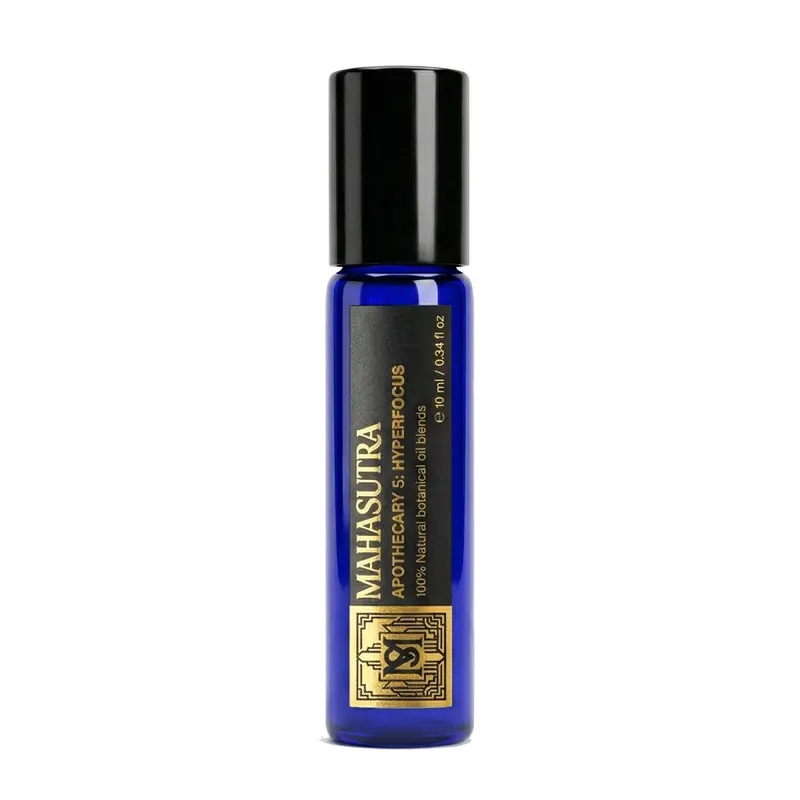
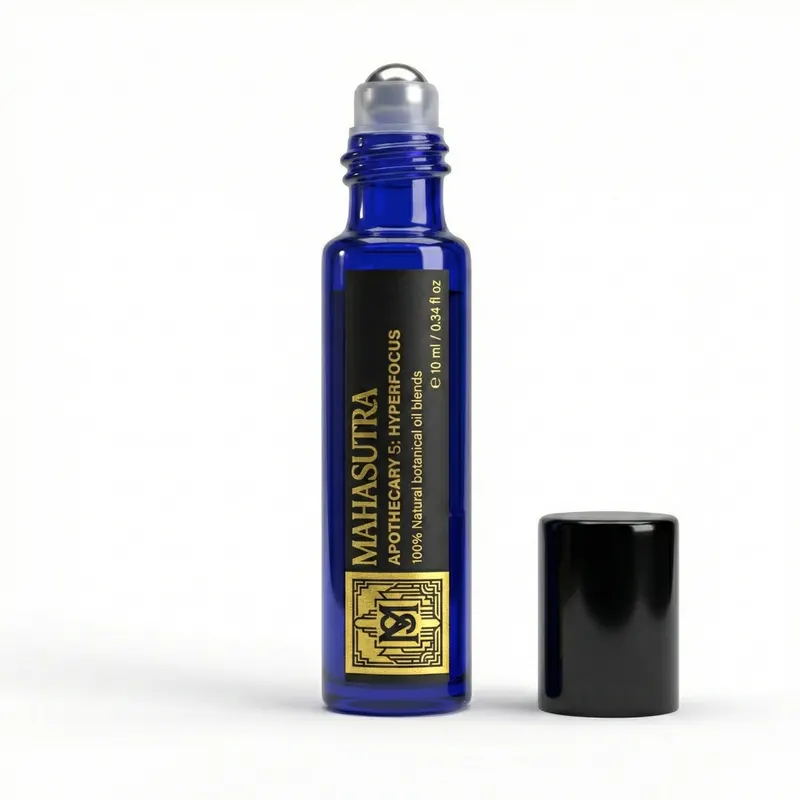
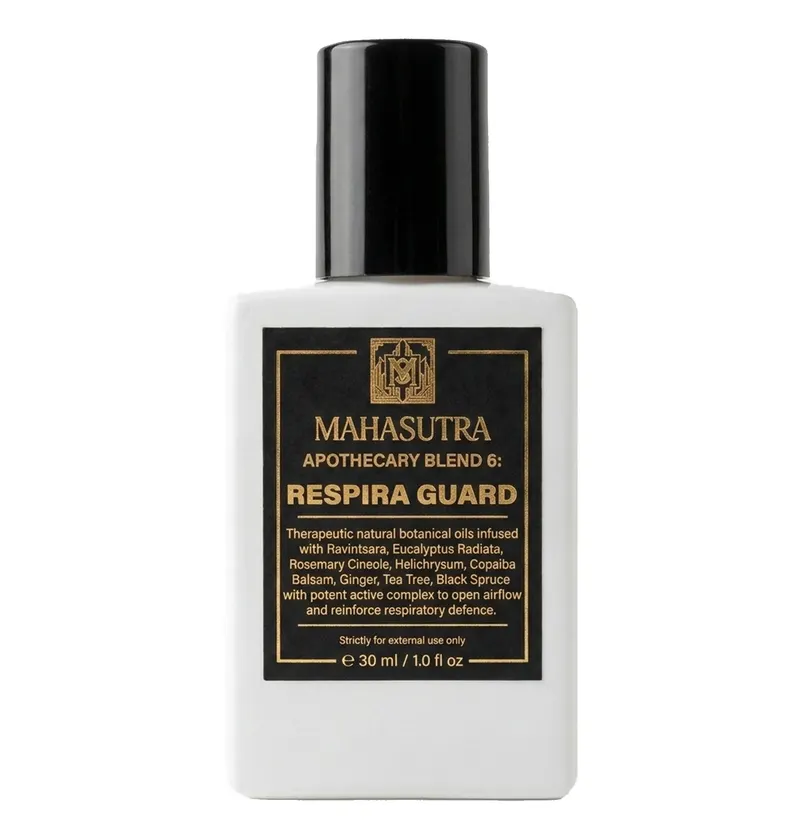
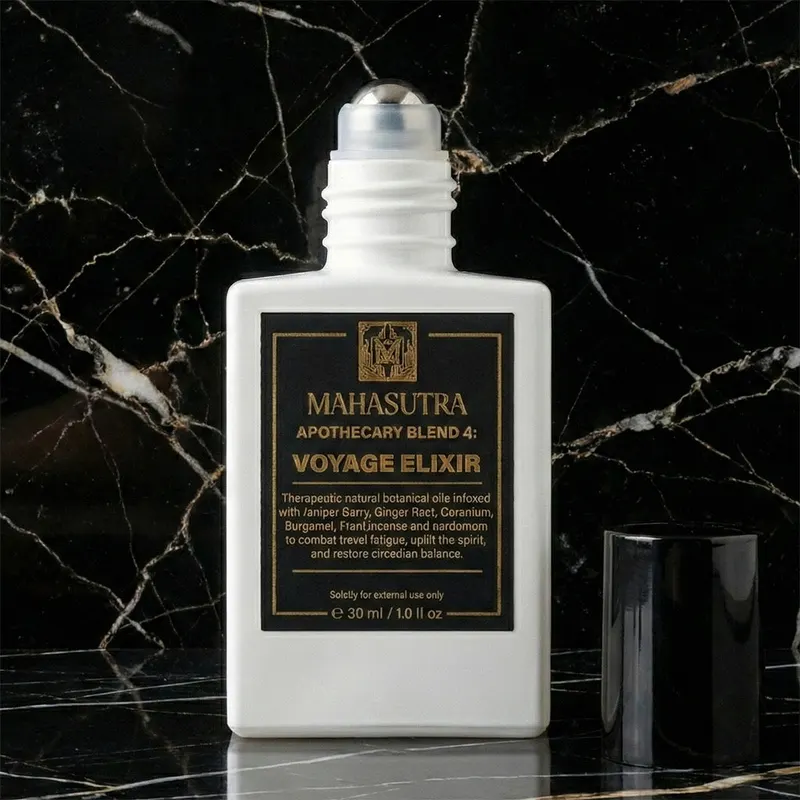
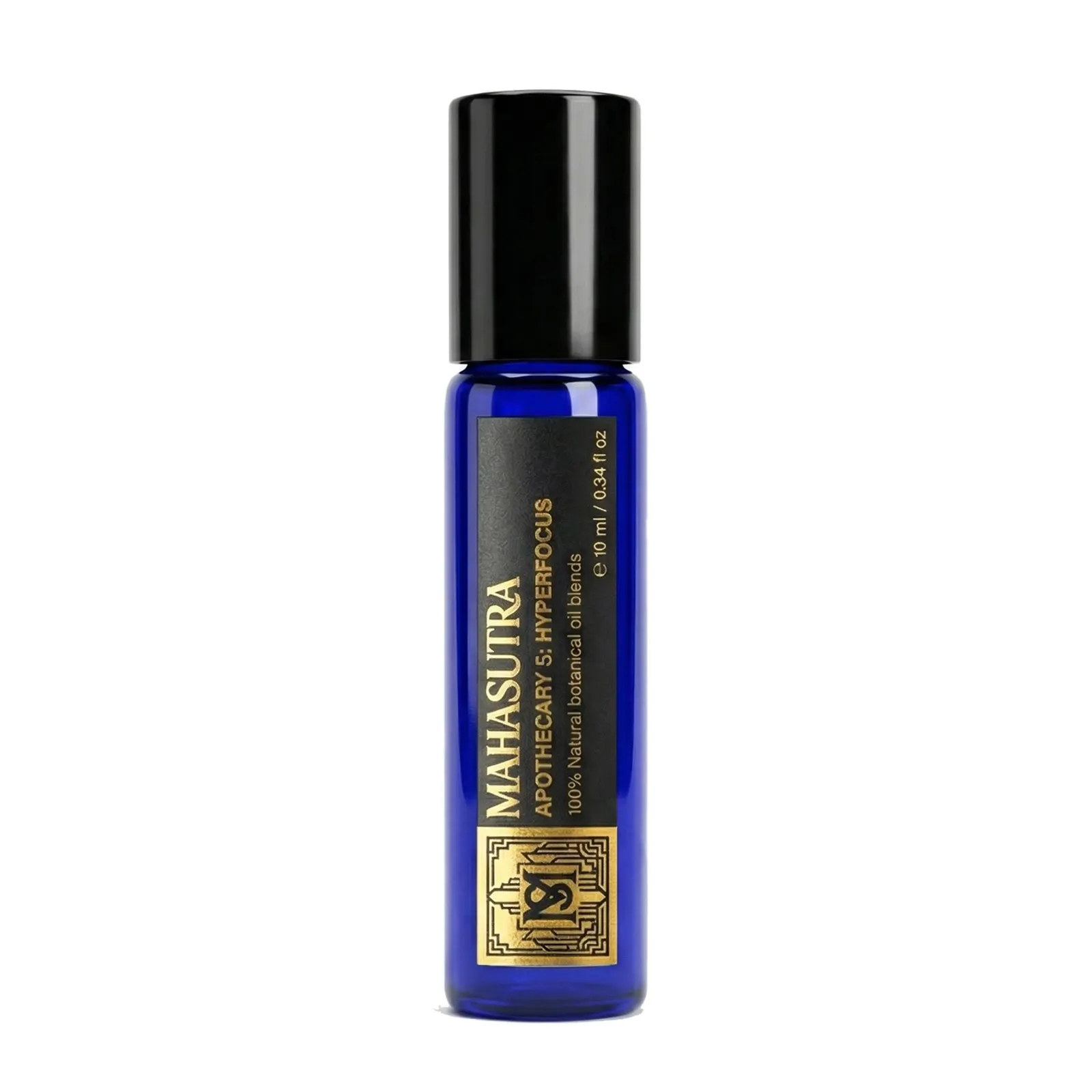
- Blends for focus and breathing: it grounds sharper oils. It appears in our Hyperfocus Oil, Respira Guard Oil and Voyage Elixir Oil.
- Skin care: it is well tolerated and widely used in face oils at low dilutions, though evidence for specific skin benefits is limited.
Safety
Frankincense oil is generally low-risk. Its monoterpenes can oxidise over time, and oxidised oils are more likely to irritate skin, so store it tightly closed and away from heat and light, and use it within a year or two of opening. Dilute before applying to skin; our dilution chart shows how.
Why sourcing matters
Frankincense trees are under pressure. A 2012 study in the Journal of Applied Ecology on Boswellia papyrifera in Ethiopia found populations with almost no young trees and high adult mortality, linked to fire, grazing and attack by wood-boring beetles, and projected that frankincense production could halve within 15 years. Rising global demand from the essential oil industry has added to the strain in several producing regions.
Buying frankincense responsibly: look for the species name and country of origin, and prefer suppliers who can describe their supply chain and work with harvesting communities. Use it thoughtfully; a little goes a long way.
For another ancient resin with a sourcing story, read our guide to oud.
Common questions
Does frankincense essential oil contain boswellic acids?
No. Boswellic acids are heavy, non-volatile molecules that don't distil with steam. They are found in resin extracts, not in the essential oil.
Which frankincense is best?
It depends on the scent you want: Boswellia sacra is bright and lemony, serrata lighter, papyrifera softer and fruity. Choose a named species and origin.
Is frankincense endangered?
Some populations are declining. A 2012 study projected that Ethiopian Boswellia papyrifera frankincense production could halve within 15 years.
This guide is for general information and is not medical advice. Speak to a doctor or pharmacist before using essential oils if you are pregnant, breastfeeding, take regular medication, have epilepsy, asthma or a skin condition, or are using them on a child.
Sources
- Groenendijk P et al. Limitations to sustainable frankincense production: blocked regeneration, high adult mortality and declining populations. Journal of Applied Ecology, 2012;49(1):164–173
- Tisserand R, Young R. Essential Oil Safety, 2nd ed. 2014